
Which food and candy origin stories are documented, and which are legend? The history of candy begins with sugar-coated nuts, seeds and fruits, and the best-supported modern stories, like the 1938 chocolate chip cookie, come with dates and named people.
Quick answer: start with the cookie if you want a dated, named origin. Choose the lollipop if you want a product traced through early records, and maple if you want a regional colonial sweet. Choose the word “candy” itself if you want to see how a term travels between languages.
Choose your route through food and candy origins
Food origin stories fall into different kinds of evidence, so the best starting point depends on what you want to learn. A story with a person, a place and a year behaves very differently from a story that only says a food is “ancient” or that it was “always eaten” somewhere. These routes match common reader goals and send you to the sections that handle each.
- You want a named inventor and a date. Go to the chocolate chip cookie section. It is the cleanest case in this guide, with a person, an inn, a year and a commercial agreement.
- You want the deep past of sweetness. Read the section on the word candy and the earliest sweets. It covers the Arabic root of the word, the first sugar-coated foods and the honey experiments associated with ancient Egypt.
- You want to know when a familiar sweet first appears in records. Use the lollipop and caramel section, where a “known by” date is explained as a ceiling rather than a birthday.
- You want chocolate and North American sweets. Read the chocolate and maple sections together, because both show how a raw material becomes a recognisable product.
- You want savory staples and drinks. Jump to the drinks and savory staples sections, which show where to continue in the wider set of food histories.
Whichever route you pick, keep one rule in mind. A “first” is only as strong as the earliest document behind it, and the later sections show how much weight each supported date can carry.
What documented history looks like
Documented food history rests on records that can be checked: printed recipes, dated agreements, museum objects, company papers and library collections. Legend rests on retelling. The difference matters because a food origin story is usually repeated far more often than it is tested.
Different kinds of source answer different questions. Food history books and academic food history journals are good at weighing competing claims and explaining context. Museum collections and Library of Congress holdings can supply objects, prints and period documents that show how a food was actually sold and eaten. Company historical archives are valuable for dating a product or a recipe, but they are also written by the brand, so read them as a statement of the company’s own account. A claim gains strength when two independent kinds of source point to the same date.
Reference compilations such as the Food Timeline are most useful as a map. They gather dated mentions and quotations in one place, which lets you see what was known by a given period, but they are not a verdict on who was first. Popular summaries, including confectionery blogs and food-site explainers, are handy for orientation. Treat their dates as leads to be confirmed, especially for stories set in antiquity.
Two habits make the rest of this guide easier to use. First, separate three things that are often blurred: the date something was made, the date it was written down, and the date it became widely known. Second, notice when a source gives a date as a latest possible point (“known by”) rather than an invention date. The next section applies those habits to the oldest layer of the story, the word “candy” and the earliest sweets.
The word candy and the earliest sweets
The English word “candy” derives from the Arabic “qandi,” which meant something made with sugar. That etymology is solid evidence about language: it shows the word for a sugar-based sweet travelled into English from Arabic. It does not tell you who made the first candy or where, so keep the word history and the invention question separate.
Sugar-coated nuts, seeds and fruits
According to the same Food Timeline overview, the first candies were sugar-coated nuts, seeds and fruits. This is a useful corrective to the modern picture of candy as molded, wrapped bars. The earliest sweets were fruit and nuts with a sweet coating, not factory products. When you meet a claim about the “first candy,” ask whether it means a coated whole food, a cooked sugar confection or a shaped, branded sweet. Those are different inventions, and they belong to different periods.
Honey, dates and figs in ancient Egypt
Popular histories place early honey-based sweets in ancient Egypt. One confectionery history says Ancient Egyptians enjoyed confections made from dates and figs. Another summary states that around 2000 B.C. the Egyptians started to experiment with honey. Both fit the picture of fruit-based sweets, and both are secondary accounts. Use them as orientation, and for anything you plan to repeat as fact, look for a museum or academic source that names the object or text behind the claim.
This early period explains why sugar appears so often in candy history. If you want to follow the sweetener itself rather than the confections, the history of sugar is the natural next stop. For frozen desserts built on the same sweetener, continue with the history of ice cream.
Lollipops and caramels: what the records support
Caramels were known in the early eighteenth century, and lollipops were known by the 1780s, according to the Food Timeline’s candy overview. That is the supported answer to the question about the history of the lollipop: the sweet appears in records by the 1780s, in the same overview that places caramels earlier.
Reading “by the 1780s” correctly
“Known by” is a ceiling, not a start date. It says the lollipop existed by the 1780s and does not say it was invented then. The distinction protects you from two common mistakes. One is naming a single inventor for a sweet whose earliest documentation is only a date range. The other is treating a later popular name or brand as the origin of the sweet itself. If you read a confident account of a lollipop inventor, check whether it cites a dated document, because the supported fact is the date by which the sweet was known.
Caramels as the earlier benchmark
Placing caramels in the early eighteenth century and lollipops by the 1780s gives you a rough sequence of when these sweets were established. Use it as context rather than as proof of influence. The sources support that both were known by those periods, and they do not say one led to the other.
For a hard-sugar confection tied to a particular season, you can continue with the history of candy canes, which handles its own legends separately from the lollipop record.
Chocolate: from cacao to milk chocolate
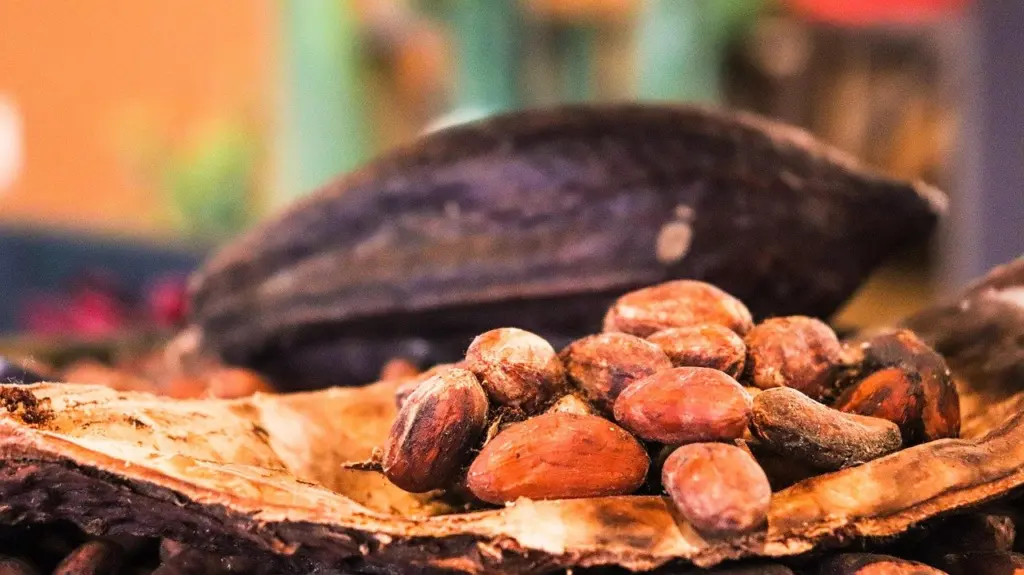
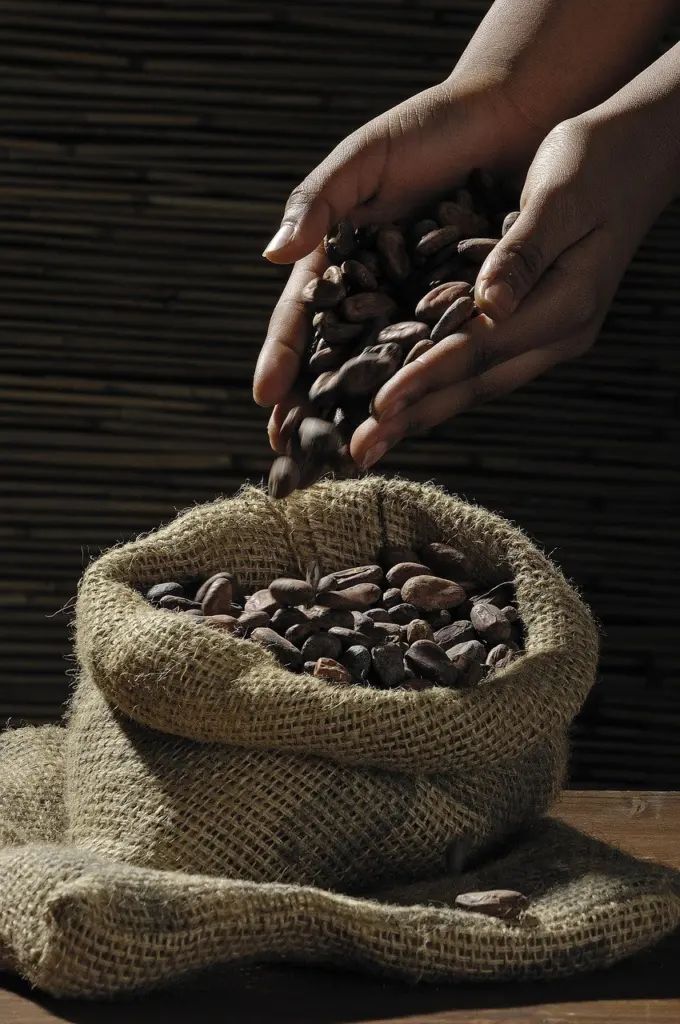
Chocolate begins as cacao, and the story of chocolate as a sweet runs through several stages that deserve separate dates. The Food Timeline records the discovery of milk chocolate in Switzerland in 1875, which is a milestone for chocolate as an eating product.
Keep the types of chocolate apart
The 1875 date concerns milk chocolate specifically. The cookie account in the next section concerns a chopped semisweet bar. Mixing those up is an easy way to produce a false chain of cause and effect, so attach each date only to the product it describes. The 1875 discovery is a fact about Switzerland and milk chocolate. It does not say how chocolate was first prepared, which is a different question with a different set of sources.
Chocolate as an ingredient and as a candy
Chocolate also appears in this guide as an ingredient. In the cookie story it is a bar chopped into dough, and in the commercial story it is a supply a company agreed to provide. That dual role is why chocolate sits at the centre of both the candy and the baking narratives. To follow it from raw bean to finished bar, the history of chocolate covers the full sweep.
The chocolate chip cookie: Ruth Wakefield and the Toll House Inn
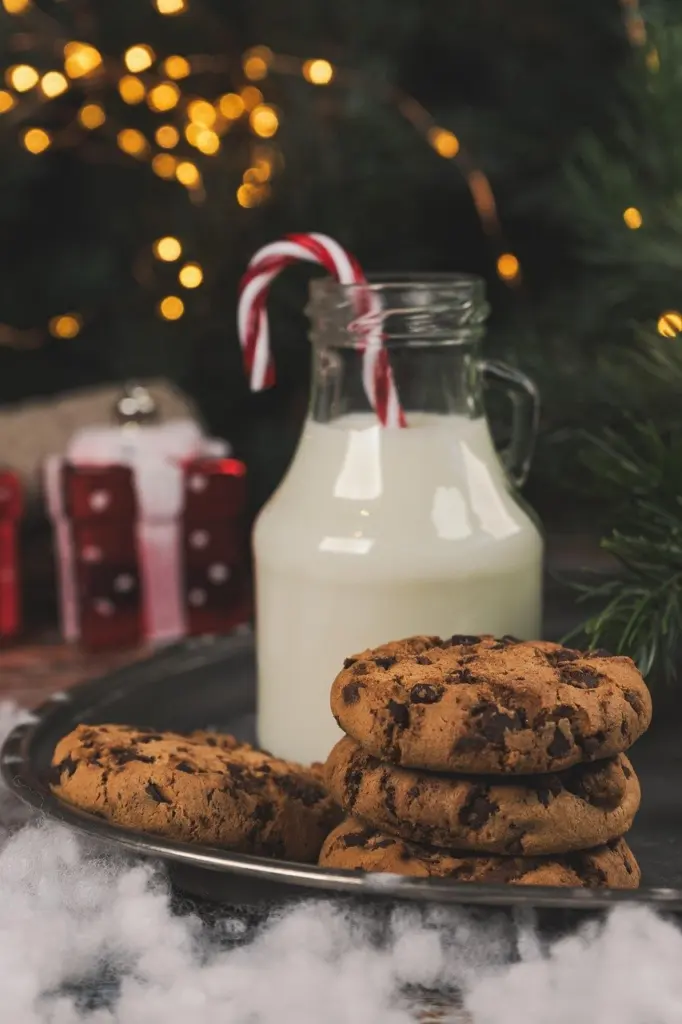
Ruth Wakefield is credited with inventing the chocolate chip cookie in 1938. According to History Cooperative, she was a dietitian and food lecturer who co-owned the Toll House Inn in Whitman, Massachusetts, in the 1930s. That answers the question of who invented the chocolate chip cookie, and it comes with a place, a role and a date, which is why it is the strongest origin story in this guide.
The dated sequence
The cookie’s documented milestones fit in a short sequence, which meets the need for dates in the 1930s.
- 1930s, the inn. Wakefield co-owned the Toll House Inn in Whitman, Massachusetts, so the cookie has a specific commercial kitchen behind it.
- 1938, the invention. This is the year given for the cookie’s invention, and it is the date to use when asked when the cookie was created.
- 1939, the printed recipe. The recipe was printed in a regional newspaper, which is the point at which it became available beyond the inn.
- 1939, the agreement. Nestlé signed an agreement with Wakefield, and the account says she received a lifetime chocolate supply.
What the original recipe did
The account says she chopped up a semisweet chocolate bar and added it to the dough. The detail matters because it describes a deliberate preparation with a chopped bar, which is a specific, checkable claim, unlike a vague retelling. Readers who want the full story, with the competing versions and later developments, can continue with the history of the chocolate chip cookie.
Why this story is the benchmark
Compare the cookie with the lollipop. For the cookie you can name a person, a place, a year, a publication event and a commercial agreement. For the lollipop you can name only a date by which the sweet was known. When you meet a new origin story, ask how many of those anchors it can supply. The more it has, the more confidently you can repeat it. Note also the gap between 1938 and 1939: the first is given for the invention and the second for publication and the company agreement, so avoid collapsing them into a single year.
Origin stories compared
The table lines up the supported anchors in this guide so you can see which stories have the most to stand on. Use the last column to decide how firmly to state each one.
| Story | Supported anchor | How to use it |
|---|---|---|
| Chocolate chip cookie | Named inventor (Ruth Wakefield), 1938, Toll House Inn in Whitman, Massachusetts | Safe to state as a dated origin with a named person; keep invention and 1939 publication distinct |
| Milk chocolate | Discovered in Switzerland in 1875 | State the date and place; do not extend it to chocolate in general |
| Caramels | Known in the early eighteenth century | Use as a period marker, not an inventor claim |
| Lollipops | Known by the 1780s | Treat as the latest date, not a start date |
| Maple-syrup candy | Popular in the North of colonial America | Describe as a regional colonial sweet; no founding date is given |
| The word “candy” | From Arabic “qandi,” meaning something made with sugar | Use for language history only, not for who made the first sweet |
Figures come from the Food Timeline’s candy overview and the cookie dates from History Cooperative.
Maple syrup in colonial North America
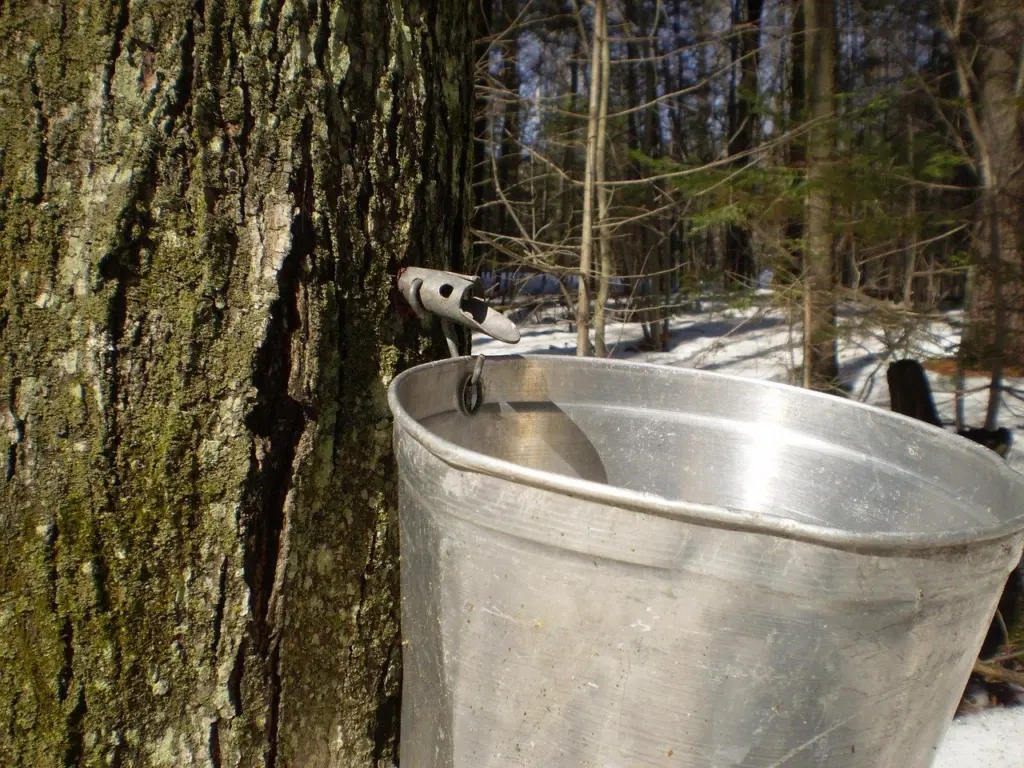
Maple-syrup candy was popular in the North of the American colonies, according to the Food Timeline’s overview, which pairs it with a Southern counterpart of benne-seed candy. That is the supported part of the answer to how maple syrup became popular in North America: it took hold as a regional colonial sweet, in candy form, in the northern colonies.
What the colonial detail tells you
The passage is about candy, so it shows maple used as a sweetener for confections rather than only as a table syrup. It also shows that sweets in the colonies were regional. Maple suited the North, and another local ingredient filled the same role in the South. That regional pattern is a more careful way to describe the story than a single national origin, and it keeps you from treating one colonial region as the whole of North American sweet history.
How to tell the story honestly
Be wary of tidy accounts that name a single moment when maple became fashionable. The supported fact is popularity in colonial times in the North, and it carries no specific year. If you are writing or teaching about maple, say that maple-syrup candy was popular in the colonial North, and add detail only from a source that dates it. For the wider sweetener context, the earlier sugar section and its linked history are the best companions.
Branded candies and naming stories
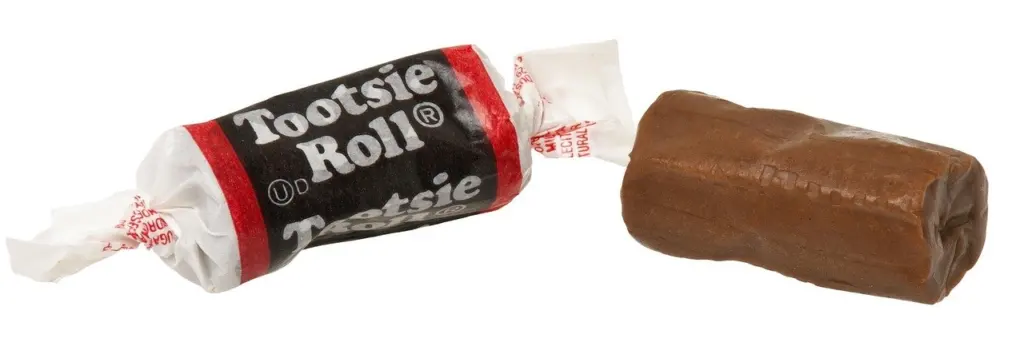
Brand names attract more legend than any other part of food history, because a name invites a story. The Tootsie Roll is a good example of the kind of candy where a naming tale is likely to circulate, so it makes a useful case for judging how a company story should be handled.
Treat a company account as a claim
A brand’s own history is a claim made by the party with the most to gain from a good story. That does not make it false. It means the claim is strongest when something outside the company corroborates it, such as a dated advertisement, a patent, a trademark record or a museum object. Company historical archives remain valuable because they hold the dated papers, but quote them as the company’s account until another source agrees.
Separate the name from the product
Two questions are often fused in branded-candy stories: when the candy was first made, and how it got its name. They need separate evidence. A confident story about a name does not date the candy, and a date for the candy does not explain the name. When you read a naming tale, look for the document that fixes it in time, and if there is none, present it as a story told about the product rather than as established fact.
Coffee, tea and beer: drinks with contested starts
Drinks collect origin legends as readily as candy, partly because their beginnings are older and more widely told. The same test applies: ask what document, object or dated mention sits behind a famous account before repeating it.
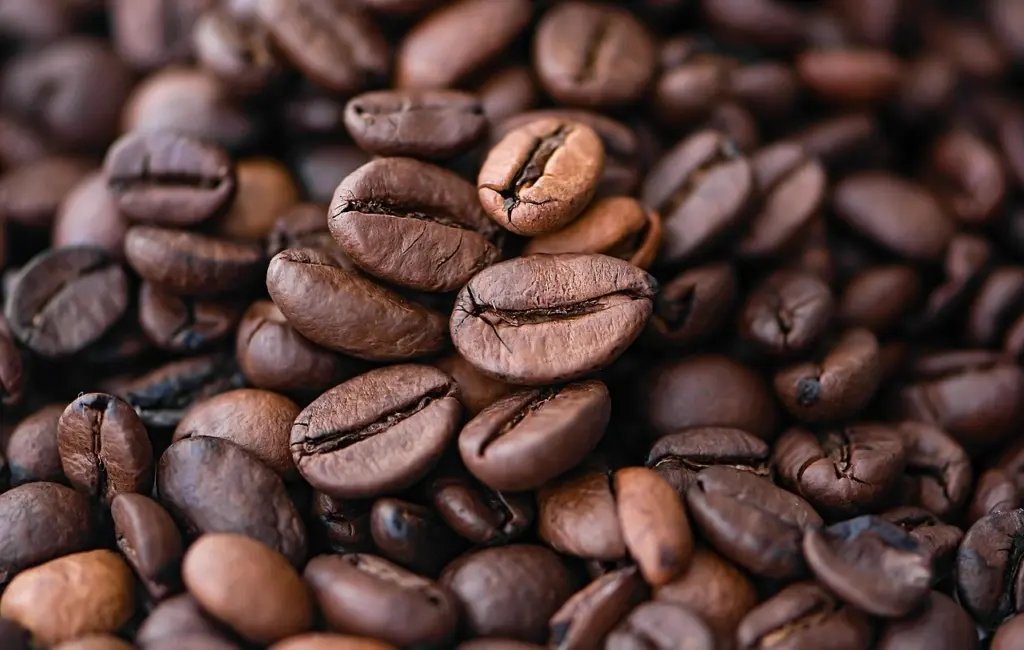
For coffee, the history of coffee works through the legend-versus-record question in detail. For a drink with an equally long tradition, the history of tea is the natural companion, and the history of beer covers a drink that is bound up with the early story of grain foods.
Choose the drink that matches your question. If you want to see how a single legend can crowd out the documented record, coffee is the most instructive. If you are interested in how a widely shared drink spread and changed across cultures, tea suits you. If you want the point where food, farming and drink overlap, beer is the better starting place. Each of those pages treats the legend and the record as separate layers, which is the approach this guide takes with candy.
Savory staples and snacks
Savory staples have the most crowded set of origin claims, and a “who invented” question usually needs the same three-part test of name, date and document. The pages below take on individual foods, grouped by the kind of question they tend to raise.
Bread, pasta and cheese
These are foundational foods, and the question of origin is often a question of how far back records go. Read who invented bread, who invented pasta and who invented cheese as a group if you want to compare how different staples handle the lack of a single inventor.
Handheld meals
Foods that are eaten in the hand attract tidy naming stories, so they reward careful reading. The who invented the sandwich is the classic naming tale, and the history of the hamburger and the history of the hot dog are the American counterparts. For flatbread-based meals, see the history of pizza and where did tacos originate.
Snacks, sides and baked treats
Snack foods have often moved from local habit to national product through a company or a street vendor, so dates and sources matter. Start with the history of french fries if you want a famously disputed origin. Continue with who invented the donut, the history of the pretzel, the history of popcorn and the history of peanut butter. Peanut butter is the closest relative to the candy and cookie stories here, since it too is tied to commercial development.
A quick test for any origin claim
You can apply the same short routine to any food or candy story, whether it appears in this guide or elsewhere. Work through the steps in order and stop at the first one the story fails.
- Find the date. Ask whether the claim gives a year and whether the year means invention, publication or first mention. The cookie shows why this matters, with 1938 and 1939 meaning different things.
- Find the person or place. A named person and location, such as Ruth Wakefield at the Toll House Inn in Whitman, Massachusetts, can be checked. “Someone long ago” cannot.
- Find the document. Look for a printed recipe, a signed agreement or a dated record. A newspaper recipe or a company agreement is a better anchor than a retelling.
- Check the wording of the date. “Known by” is a ceiling and “invented in” is a claim. Do not convert the first into the second.
- Weigh who is telling it. A company, a blog and a journal each have different incentives. Prefer a claim that more than one kind of source supports.
When a story passes all five steps, repeat it with confidence. When it passes only some, state what is supported and name the limit. That is the habit that separates documented history from legend, and it is the approach this guide takes.
Frequently asked questions
| Question | Answer |
|---|---|
| Who invented the chocolate chip cookie? | Ruth Wakefield, who co-owned the Toll House Inn in Whitman, Massachusetts, in the 1930s, is credited with inventing it in 1938, according to History Cooperative. |
| When did the cookie recipe become public? | The recipe was printed in a regional newspaper in 1939, the same year Nestlé signed an agreement with Wakefield. |
| When was milk chocolate discovered? | The Food Timeline records the discovery of milk chocolate in Switzerland in 1875. |
| Where does the word candy come from? | It derives from the Arabic “qandi,” meaning something made with sugar. |
| Does “known by the 1780s” mean lollipops were invented then? | No. It means lollipops were known by that decade, so the 1780s is the latest supported date and not an invention date. |