

Who invented the sandwich? No one is confirmed. John Montagu, Fourth Earl of Sandwich, is its namesake, and the earliest printed use of the word is in Edward Gibbon’s journal. The inventor story is weaker than the naming story.
This ranking sorts each claim by the evidence behind it. It sits alongside our wider history of candy and other food origin guides.
How the claims are ranked
A dated written record outranks a good anecdote. The ranking runs from the best-documented claim to the weakest, using three tests.
- A dated record. A claim is stronger when it points to a specific written entry with a date.
- A named source. A story is only as good as the person who first told it, so claims that trace to one teller rank lower.
- Independent support. A claim climbs when a biographer or historian can back it with evidence beyond the original telling.
On these tests, the word and the name rank high and the invention story ranks low. Sandwich-like eating is much older than any of them, but it is a different claim from who first wrote the word or who lent his name to it.
The claims, from strongest to weakest
Gibbon’s journal: the word in print
The sandwich’s best-documented moment is a journal entry. The word first appeared in print in 1762, in the journal of Edward Gibbon. The entry is dated November 24, 1762, and places the scene at the Cocoa Tree club in London.
This answers when the sandwich was first documented in English. It does not say when the food was first eaten. A written word shows the name was already in circulation, not that someone had just made the dish. Use Gibbon as the anchor date for the word, and as the reason to distrust any claim that puts the word earlier without a dated record.
The Earl as namesake
The Earl has the best case for credit as the name’s source. John Montagu (1718-1792) was the Fourth Earl of Sandwich and held the post of First Lord of the Admiralty, according to this food-history account. The Cabrini-style summary from the Cab Calloway School chronicle puts the distinction well: the Earl may not have invented the sandwich, but he was its namesake.

That answers why it is called a sandwich. The food took its title from his. His name travelled beyond the table too. Captain James Cook named the Sandwich Islands in honor of Lord Sandwich, then First Lord of the Admiralty. The islands show the title was known well beyond the dining room, which fits a man whose name could become a common noun.
Elizabeth Leslie and the American sandwich
The sandwich reached American kitchens through print. The sandwich was introduced to America in 1840 by the Englishwoman Elizabeth Leslie. Her Directions for Cookery treats ham sandwiches as a main dish and tells the cook to have ready very thin slices of cold boiled ham and lay one between two slices of bread.
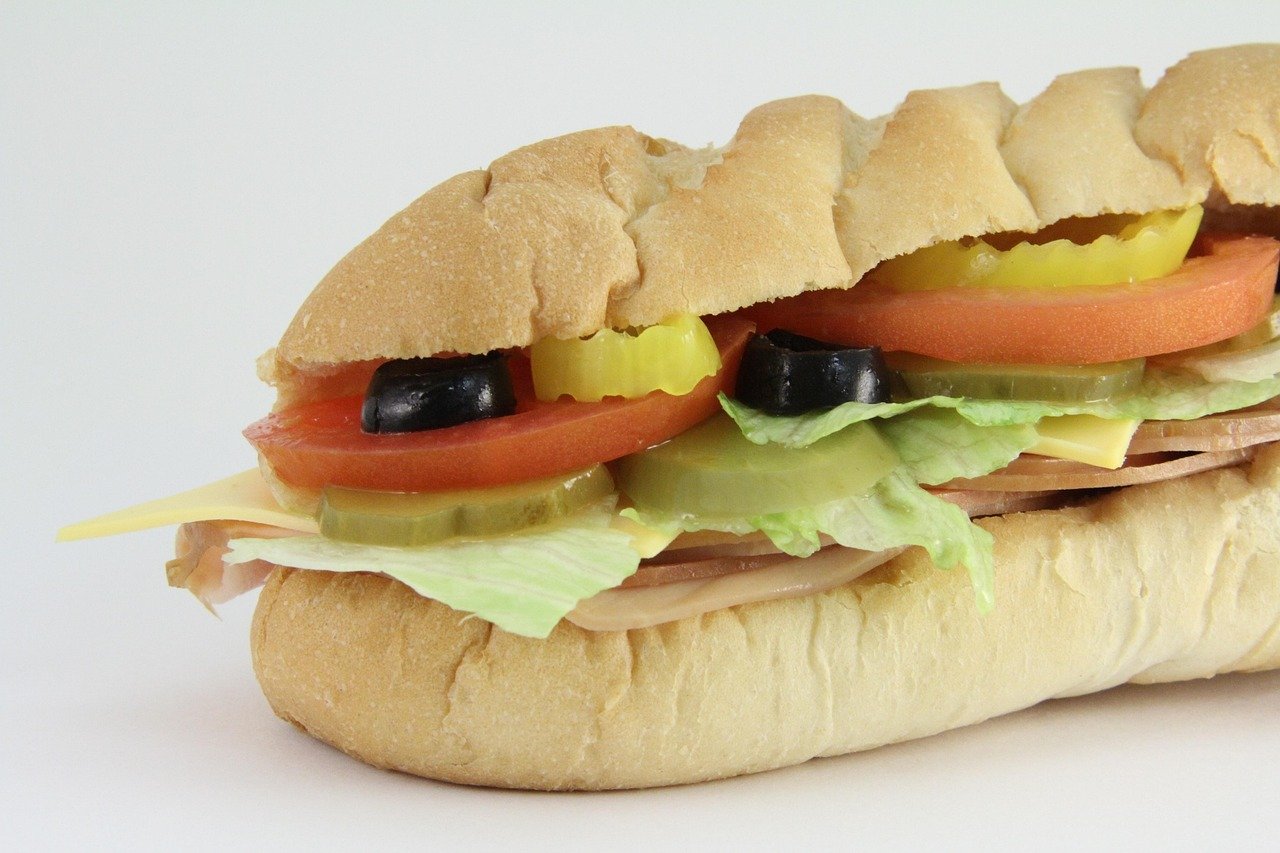
This is a documented recipe, which makes it a firmer claim than any inventor story. It suits readers who want to know when the sandwich became a dish with instructions instead of a passing mention. It does not show that Leslie introduced the food to every American household.
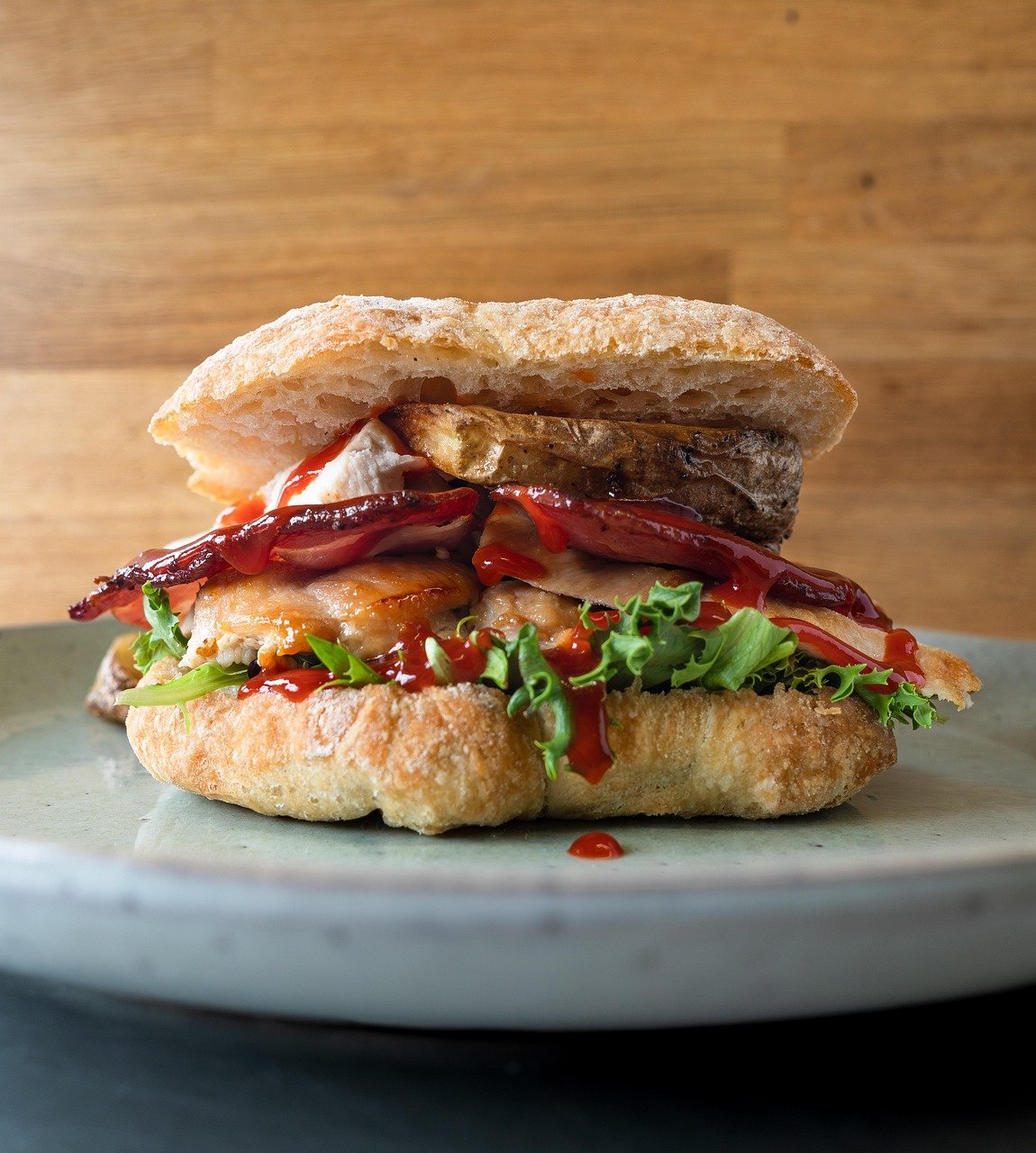
One caution keeps the picture honest. Sliced bread, created in the 1920s, is a comparatively recent invention. It is far newer than Leslie’s recipe, so early sandwiches should not be pictured with packaged sliced loaves.
Grosley’s gambling story
The tale most people repeat ranks low. In it the Earl asked for meat between bread so he could keep playing at the gaming table. Its only source is Pierre-Jean Grosley’s Tour to London, dated 1765 in the passage cited. That account describes Grosley as the sole source for crediting Montagu with the invention, and calls his version gossip.
The Earl’s biographer, Rodger, goes further. He finds no supporting evidence for this piece of gossip and does not think it very likely. The story is vivid and easy to retell, which explains its reach, but one traveller’s account without corroboration is a thin base for naming an inventor. Treat it as a colourful explanation of the name, not as history.
Hillel the Elder
The oldest claim is also the least tied to the word. The same food-history account says the first recorded sandwich was by the rabbi Hillel the Elder, who lived during the 1st century B.C., and associates it with a matzo filling.
This is a useful reminder that bread wrapped around a filling is ancient. It is a poor answer to who invented the sandwich as people use the word today. The claim is a secondary-source label, not a dated entry using the name, so it ranks below the documented items above. It suits readers interested in the idea of the food, not its English name.
Submarine and club sandwiches
The submarine and the club both borrow the Earl’s word and little else. The ‘sandwich’ in ‘submarine sandwich’ is his legacy. The ‘submarine’ half is a separate naming question, and nothing in the evidence here ties it to Montagu. Treat any single-origin story for the sub as unranked until it can point to a dated source.
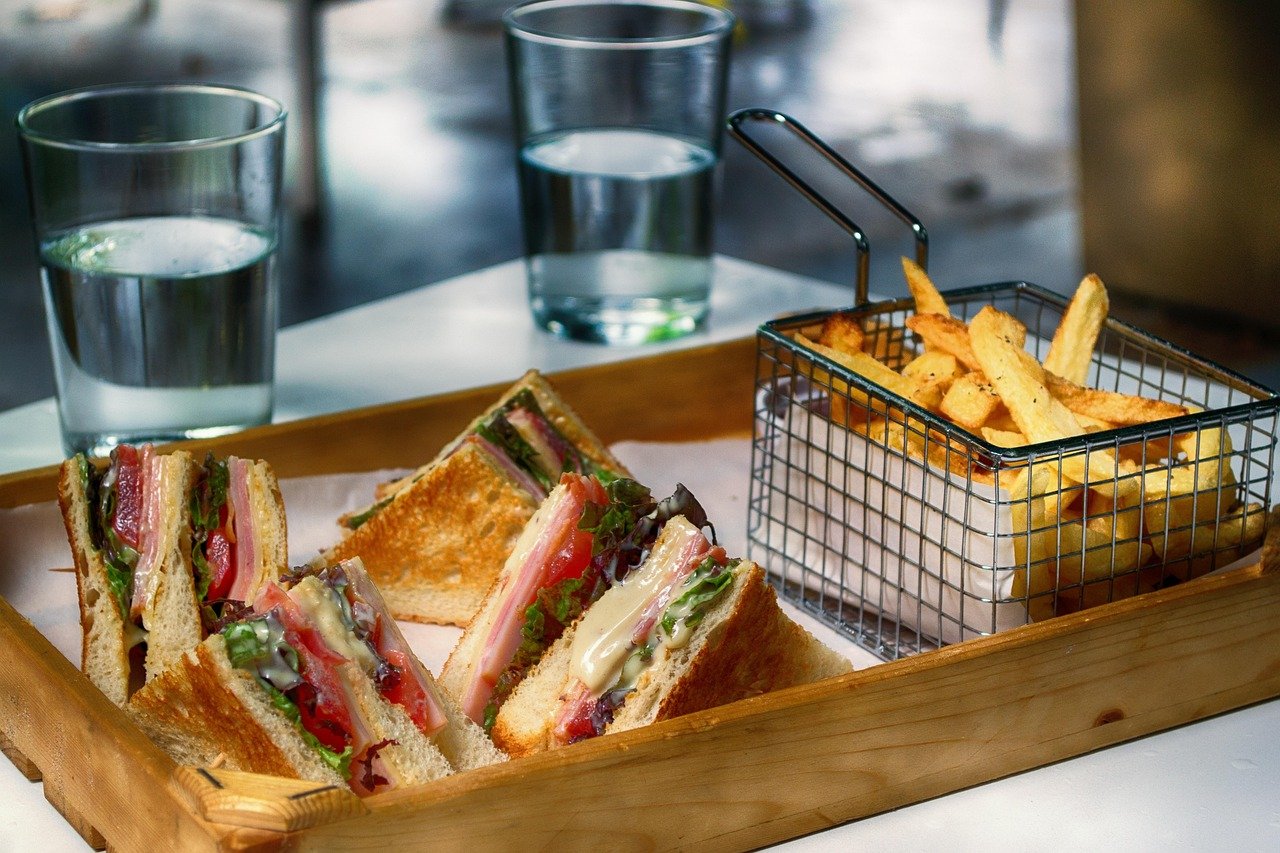
The club sandwich follows the same logic. Its layered form and its origin debate are separate from the Earl’s story, and the shared name is the only thing it takes from him. Readers curious about either dish should look for a dated menu or printed recipe, which is the same standard that puts Gibbon and Leslie above Grosley.
The claims side by side
| Claim | Dated detail | Strength of evidence | Planning use |
|---|---|---|---|
| Gibbon’s journal | November 24, 1762, Cocoa Tree club, London | Strongest: a dated written entry | Cite for the earliest printed word |
| Earl as namesake | John Montagu, 1718-1792; Sandwich Islands named in his honor | Strong for the name, not for invention | Use to explain why it is called a sandwich |
| Leslie’s recipe | 1840, Directions for Cookery | Good: a printed recipe | Cite for the sandwich in American cooking |
| Grosley’s gambling story | 1765, Tour to London | Weak: one source, no support found by the biographer | Retell as folklore only |
| Hillel the Elder | 1st century B.C. | Background claim, not tied to the word | Use for the ancient idea of bread around a filling |
The figures come from this food-history account and this note on the person behind the word.
Credit, in practice
If you need one sentence for a quiz or a classroom, say the Earl is the namesake, Gibbon is the first printed mention, and the inventor is unknown. If you want the story, tell the gambling tale and label it gossip. The same careful reading applies to other foods, as in our look at the history of the pretzel and the question of where did tacos originate.
Frequently asked questions
Did the Earl of Sandwich really invent the sandwich?
No evidence confirms it. He is the namesake, and the one story crediting him comes from a single travel account that his biographer found unsupported.
Why is it called a sandwich?
It takes its name from the Fourth Earl of Sandwich, John Montagu, whose title became the word.
Is the gambling story reliable?
It rests on Grosley’s account alone, and the biographer Rodger found no supporting evidence for it.
When did the sandwich reach America?
One food-history account dates its introduction to 1840 through Elizabeth Leslie’s cookery book, which gives a ham sandwich recipe.