A sugar bowl looks ordinary, but the history of sugar says otherwise: a New Guinea grass became a costly European luxury, then a cheap staple once plantations, enslaved labor and later beet farming scaled supply.
The story belongs to the wider history of candy, because nearly every sweet depends on it. Several popular beliefs about sugar’s past are only partly right, and the sections below correct them in turn.
Where sugar came from
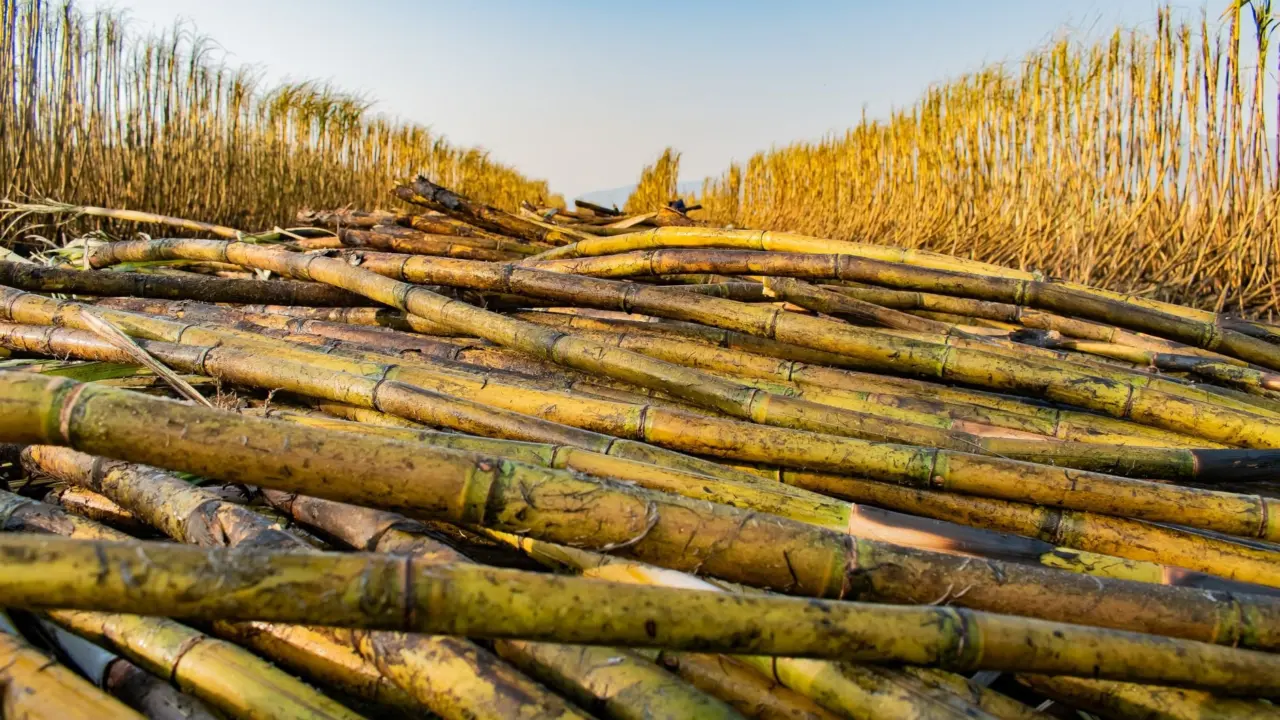
Sugar did not start in Europe or the Caribbean. According to a brief history of sugar, sugarcane is a tall grass first domesticated in New Guinea around 6000BC. The same account says methods to boil cane juice into crystals were developed in India by around 500BC. An early reference tied to Darius I in 510BC calls the cane “the reed which gives honey without bees”, which shows how strange a sweetener from a plant stalk first seemed.
- Misconception: sugar is one natural ingredient. Sucrose is almost exclusively extracted from sugarcane and sugar beets, as National Geographic’s sugar story notes, so “sugar” is a processed product of two crops.
- Misconception: refining is a modern invention. The India boiling method dates to around 500BC, so crystallizing cane juice is among the oldest food technologies in this story.
The decisive step was crystallization. Dried crystals could be stored and moved over long distances, which is what later let a New Guinea and Indian crop become a Mediterranean and then an Atlantic commodity.

Sugar’s eras compared
Sugar did not have a single past. It was a spice, then a plantation crop, then a product with a European farm-grown competitor, and each stage changed who grew it and who could afford it.
| Era | Role of sugar | Supply base | Why it matters |
|---|---|---|---|
| Medieval Europe | Extremely expensive, used more like a spice; regarded as a wonder drug from the 10th to the 18th century | Trade routes; Crusaders returning in the 11th century described it | Scarcity gave sugar its status as a luxury and medicine. |
| Plantation era | Sugarcane was the crop of choice in Haiti, Puerto Rico, Jamaica and Cuba by 1640 | Dutch, English and French plantations with enslaved colonies by the 1680s | Supply rose on forced labor, which links demand to the slave trade. |
| Beet era | A European-grown alternative after the Napoleonic blockade in the early 19th century | Sugar beet, about 50% of Europe’s sugar in the 20th century | Europe no longer depended wholly on imported cane. |
Figures here come from the brief history of sugar and Burt Wolf’s sugar notes.
How sugar became popular in Europe
Sugar became popular in Europe slowly, and it began as a rarity rather than a sweetener for ordinary food.
Crusaders and the Mediterranean
Burt Wolf adds that in the kingdom of Jerusalem the Crusaders oversaw the cultivation of sugar cane and the production of sugar. Contact with cane-growing lands therefore turned a rumor into a supply chain.
Atlantic islands and growing volumes
By the end of the 1400s, Madeira was exporting almost four million pounds of sugar to cities including London and Paris, according to the same notes. That volume shows demand in Europe was already substantial before the Caribbean plantations dominated supply.
- Misconception: Europeans wanted sugar only as a sweetener. Its roles as spice and medicine explain why wealthy buyers paid for it long before it sweetened everyday food.
Plantations, slavery and the Caribbean
Plantations and slavery were the engine that turned sugar from a luxury into a mass crop. Burt Wolf’s notes say Columbus planted sugarcane in 1493 on the island now called the Dominican Republic, and that the Caribbean islands were perfectly suited to cane, with flat land, plenty of water and a hot climate.
The brief history traces the labor link to the early 16th century, when Portuguese entrepreneurs exported enslaved people to newly discovered Brazil. By the 1680s the Dutch, English and French all had their own sugar plantations with enslaved colonies in the Caribbean.
Why slavery became the system
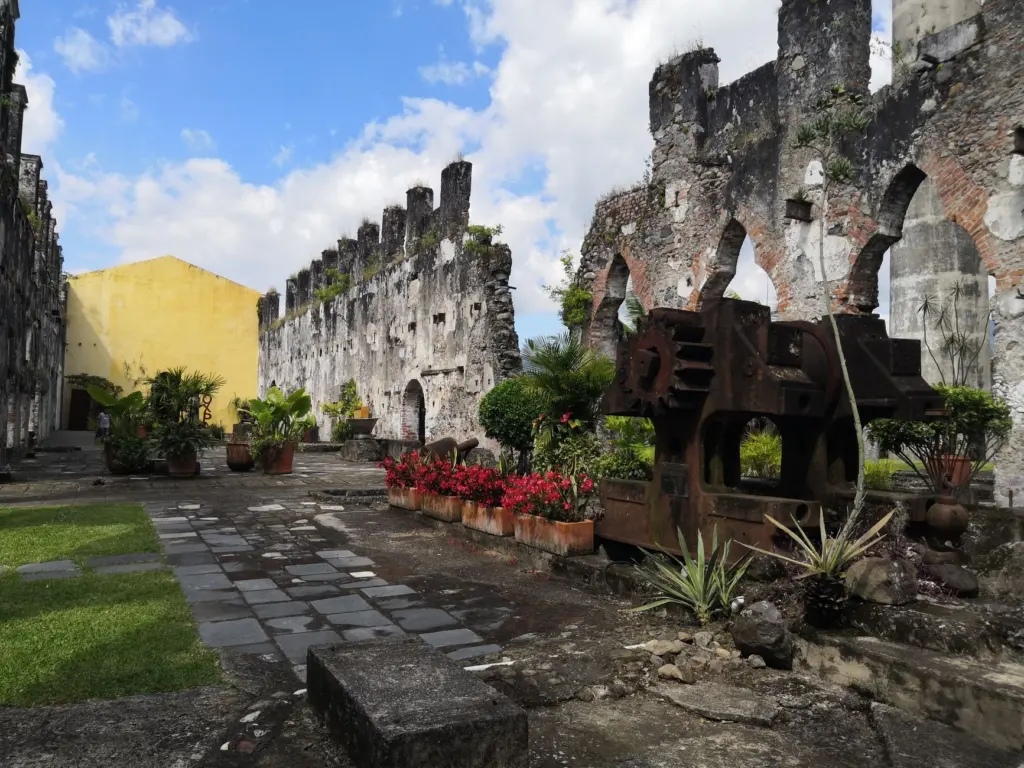
A plantation needed two kinds of labor force: field workers to cut cane and skilled workers to process it in the mill. Burt Wolf’s notes call slavery “sort of the natural answer” to that labor need. The word “natural” describes the planters’ economics, not any justification, since the system rested on forced labor imposed on enslaved people.
- Misconception: slavery was a side effect of sugar. The sources link plantation expansion and the export of enslaved people directly, so the labor system and the crop grew together.
- Misconception: cane was an easy crop to scale. Cane needs mill processing as well as field cutting, which is why plantations combined both under one owner’s control.
When sugar became cheap
Sugar became cheap in stages, not on a single date. National Geographic states that until the mass production of sugar began in 1647, it formed only a tiny part of the human diet.
Cheapness at the point of sale also depended on politics. In 1874, prime minister William Gladstone abolished a 34% tax on sugar, after which sugar sold cheaply in Britain. Plantation output therefore created the supply, and removing the tax passed more of the saving to British buyers.
How sugar beet changed the industry
Sugar beet gave Europe a home-grown source and ended its reliance on cane alone. According to the brief history, the Napoleonic blockade in the early 19th century gave birth to the European sugar beet industry, and approximately 50% of Europe’s sugar came from beet in the 20th century.
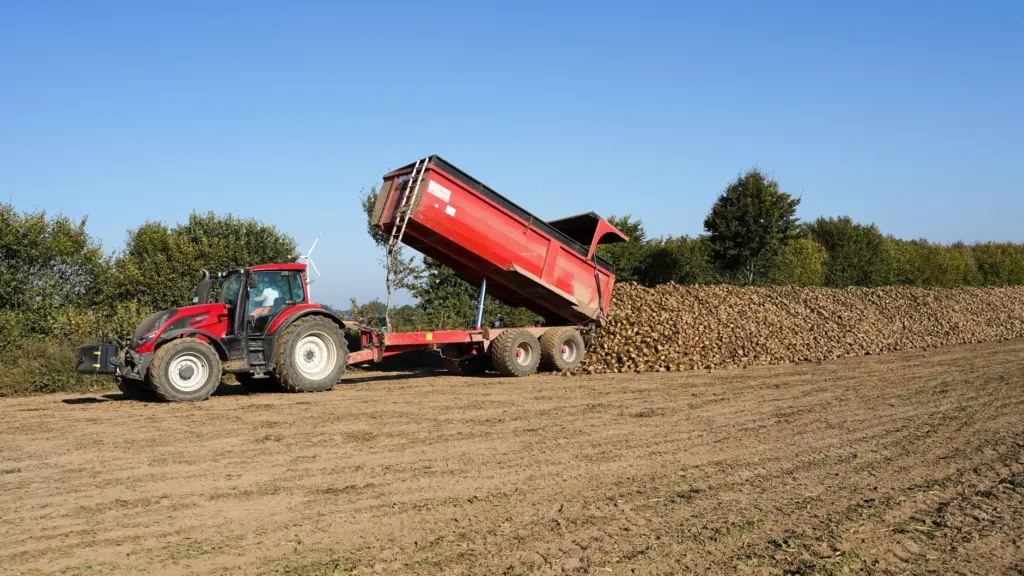
Today sucrose still comes almost exclusively from cane and beets, as National Geographic notes. The beet industry did not replace cane. It added a second supply route that was not tied to Caribbean plantations or the trade that fed them.
Related sweet histories
Sugar’s story connects to other foods and drinks. Readers can continue with the history of tea or the history of ice cream, both of which feature in the wider story of what people sweetened and why.
Frequently asked questions
| Question | Answer |
|---|---|
| How long does sugarcane take to ripen? | Cane takes nine to eighteen months to ripen, according to Burt Wolf’s notes. |
| Is sugarcane still a major crop? | Yes. National Geographic calls it the world’s third most valuable crop, with more than 66 million acres of farmland, and says the US uses over 11 million metric tons of sugar a year. |
| What kind of crop is sugar beet? | It is a biennial root crop grown for its high sucrose content, per the brief history of sugar. |
| How much sugar does the average American eat? | More than 70 grams (17.5 teaspoons) a day, according to National Geographic. The WHO guideline for adults is free sugars under 10% of daily energy intake, not exceeding 50 grams. |