| Question | What the evidence supports | Planning use |
|---|---|---|
| When did the potato reach Belgium? | It arrived from Peru via the Canary Islands in 1567. | Use it as the date the crop became available there, not as the date fries began. |
| Did Parmentier invent fries? | He championed the potato in France but did not mention french fries in particular. | Do not credit him with the dish. |
| When were fried potatoes common in America? | The recipe was one of the mainstays of American cookbooks by the 1850s. | Use the 1850s as the marker for routine home cooking, not for the first fry. |
| Did US soldiers name fries in World War I? | The story is described as a fable. | Leave it out of any serious timeline. |
| Where does the name come from? | The origin of the name and of the dish remains unresolved. | Treat any single-inventor or single-country claim as unproven. |
| What do frozen fries mean today? | The frozen fry has spread into most corners of the food world. | Expect frozen fries by default and look for fresh-cut where it matters to you. |
These points come from a Food Republic account of the fry’s origins and a Potato Grower history of french fries.
The history of french fries is a chain of documented steps rather than one invention story: potatoes reached Belgium in 1567, fried potatoes were an American cookbook mainstay by the 1850s, and the name’s origin is unresolved.
This article belongs to a wider set of food stories. Readers who want sweets first can start with the history of candy, and the history of chocolate tells the story of another ingredient. A different dish with its own origin question is covered in where did tacos originate.
What the evidence settles and what it leaves open
The evidence settles the order of events better than it settles credit. A potato crop had to exist in Europe before anyone could fry it, and fried potatoes had to be in American kitchens before fries could become a national habit. Neither step proves who first cut potatoes into strips and dropped them in fat.
That gap changes how you should read food-origin claims. A confident answer to “who invented fries?” is almost always stronger than the record behind it. The Food Republic account is blunt about this, and a fry-equipment industry history reaches the same verdict: the true origin of French fries remains a mystery.
How to use that in practice
- Quote the milestones, not the myths. The arrival of the potato in Belgium and the American cookbook record are firm anchors. Naming a single inventor is not.
- Separate the crop from the dish. A date for when potatoes arrived tells you about ingredients. It does not date the first fry.
- Be wary of tidy stories. A neat tale about how fries got their name usually signals folklore, as the World War I story below shows.
Belgium or France: weighing the origin claims
Neither country can be proved the birthplace, because the evidence supports pieces of each story rather than a decisive document. The honest conclusion is that the origin is open.
The Belgian case
The Belgian claim has a real foundation: the potato arrived in Belgium from Peru, via the Canary Islands, in 1567, according to Food Republic. That shows the raw material was present. It does not show fries were made then, and a country having the potato early is not the same as inventing a dish from it.
The French case
The French argument usually leans on Antoine-Augustin Parmentier, who became the potato’s champion in France. The Potato Grower history points out that he did not mention french fries in particular. His campaign helps explain why potatoes spread in France, but it cannot be cited as evidence that the French fry started there.
The World War I story
One popular explanation says US soldiers in World War I tasted fries and named them after Belgian colleagues. Food Republic calls this a fable. It is better dropped than repeated, because it tries to explain a name rather than document a dish.
Jefferson and other single-inventor stories
Thomas Jefferson is often named in American retellings of the fry story. No evidence in this pack ties him, or any other individual, to the dish’s origin, and the record describes that origin as a mystery. Crediting one famous person is attractive because it gives a story a face. It is a weak basis for a timeline, so treat such claims as unproven.
The more useful question for American history is not who first served fries but when fried potatoes became ordinary. That has a better answer, covered below.
How the potato became a European staple
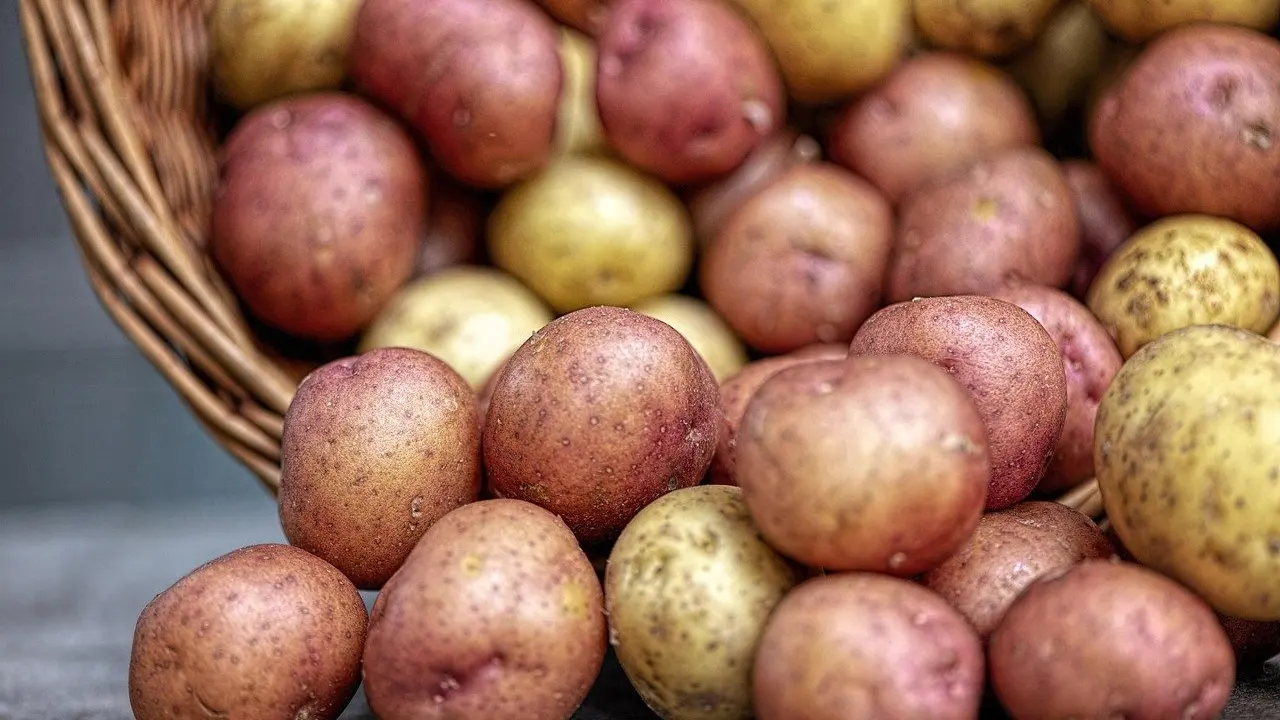
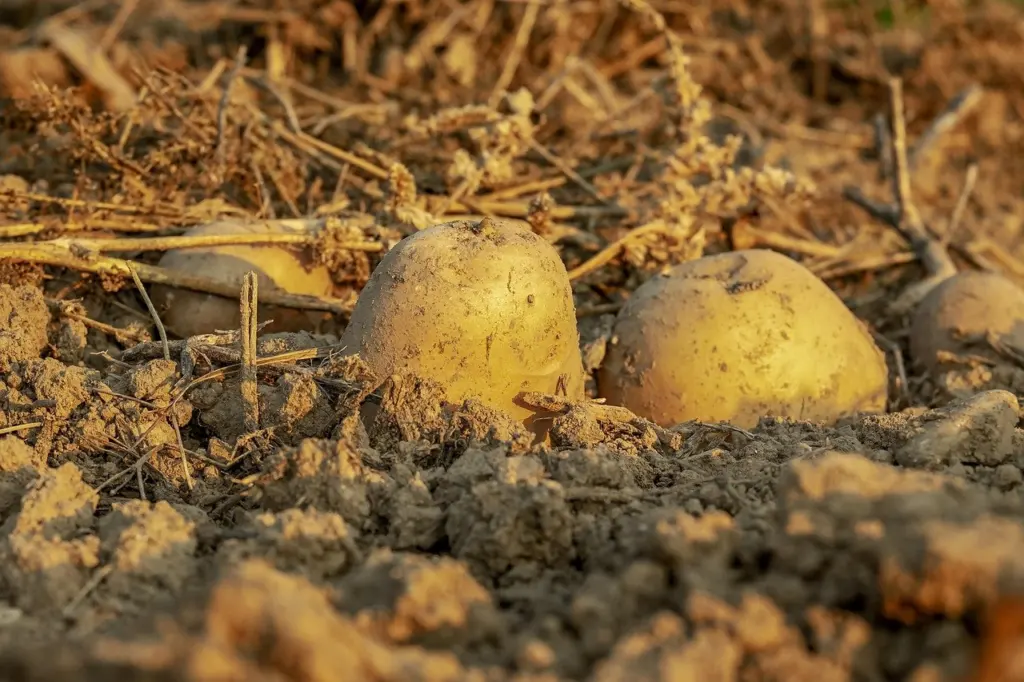
The potato became a staple by moving from curiosity to promoted food crop. It came from the Andes, and Food Republic traces its route to Belgium through Peru and the Canary Islands, arriving in 1567. Europeans first saw it as a botanical curiosity rather than a meal.
Promotion then did the work that novelty could not. In France, Parmentier became the crop’s champion. The key lesson for the fry story is that acceptance of the potato came first, and a dish built on it could only follow.
What this means for dates
The figure of 1567 is a date for Belgium specifically. Use it as a reference for the crop’s arrival in that country, and avoid presenting it as the date potatoes first reached the whole of Europe.
When french fries became popular in America
Fried potatoes were firmly part of American home cooking by the 1850s, when the recipe became one of the mainstays of cookbooks, according to the Potato Grower history. That is the safest answer to when fries became popular in America, because it rests on a documented printed record rather than a legend.
Cookbook prominence shows the dish had become standard knowledge. It does not measure how many people ate fries, or whether restaurants served them widely. So phrase the claim carefully: fried potatoes were a kitchen staple by then, and later developments turned them into a mass product.
- Choose the cookbook record over wartime anecdotes. The soldier-naming story explains nothing about popularity and is called a fable.
- Treat the 1850s as a floor for routine use. It marks when the dish was standard, not when it started.
Frozen fries and the industrial fry
The frozen fry changed the industry by becoming the default. Food Republic describes it as having stealthily infiltrated most corners of the food world and displaced fresh-cut fries. No production figures are supplied, so the claim is best kept qualitative.
The practical consequence is that fresh-cut fries became the exception. Anyone judging a restaurant’s fries, or reading about a traditional recipe, should assume a frozen product unless the menu says otherwise. Frozen fries solved consistency and convenience, which is why a street-food snack could become a staple of the fast-food counter.
Frequently asked questions
What fat were fries traditionally cooked in?
Traditionally the cooking fat was unrefined beef tallow, called dripping in the UK, according to Food Republic.
What is the Bintje potato?
Bintje is a hybrid developed in the Netherlands in 1904, per the same Food Republic account. It shows that named potato varieties came long after the crop itself reached Belgium.
Why are they called French fries?
The origin of the name remains unresolved. The World War I explanation is called a fable, so no tidy etymology can be relied on.