

The origin of common phrases is easiest to judge by asking what kind of evidence backs the story: a dated written use, a plausible theory, or a tidy tale with no record. Start there, then match the phrase to its group.
Every saying below falls into one of those groups. For a wider tour first, begin with common idioms and their origins. If you have one phrase in mind, use the choice lists to see how much weight its story can bear.
First decision: how solid is the evidence?
Every phrase origin you read is a claim, and claims differ in strength. Sort the story by the kind of backing it has before you repeat it, because that sorting decides how confidently you can pass it on. The choices below run from strongest to weakest.
- A named text and year. Trust this most. Mental Floss places among the earliest evidence for “mad as a March hare” Geoffrey Chaucer’s The Friar’s Tale in 1385. That gives you a text to check rather than a story to take on faith.
- A theory offered as a theory. Hold it loosely. The same Mental Floss article says some theorize that “kick the bucket” stems from the yoke or pulley used to hang pigs by their feet for slaughter, and it calls the exact origin of “pay through the nose” uncertain.
- A “most likely” origin. Treat it as the leading candidate, not a settled fact. For “spill the beans”, the most likely origin is the ancient Greek process of casting a vote with black or white beans.
- A debated date. Quote a period, not a year. Museum of Lost traces “pass the buck” to a poker marker and says it was most likely invented along the Mississippi River circa 1830, with some debate about the date.
- A story about a real person. Check that the person existed and that the link to the phrase is stated. “Happy as Larry” is said to refer to the Australian boxing champion Laurence “Larry” Foley, born in Sydney in 1849.
An idiom is a saying whose meaning differs from its literal words, so the words alone rarely reveal where it came from. That is why this decision matters. A phrase can sound ancient and be recent, or sound recent and be old, and only the evidence tells you which.
With that test in hand, the next question is which kinds of places phrases tend to come from.
Where common idioms come from
Common idioms come from books and translations, sport and old pastimes, science and everyday work. Each source leaves a different kind of trail, and the trail determines how much you can prove.
Literature and translation
“Bite the dust” is generally traced to Samuel Butler’s 19th-century translation of Homer’s The Iliad, according to Mental Floss. The story points to an English translator’s wording, so the trail is a printed book you can name, and that is a strong kind of evidence.
Shakespeare supplies another example. The line “The cat will mew, and the dog will have his day” in Hamlet is the passage Museum of Lost connects to “every dog has its day”. When a phrase can be matched to a line in a famous play, you have something checkable on a page.
Sport and pastimes
Some idioms borrow a scene from a game. Mental Floss says “hands down” comes straight from 19th-century horse racing. “Full tilt” has a longer history: Museum of Lost traces it to the 14th century and to the medieval recreation of tilting at the quintain, which stayed popular until the 17th century.
The practical lesson is that a pastime’s own timeline gives you a window for the phrase. If an activity was popular for centuries, ask whether the saying belongs to its early or late years before you pick a date.
Science and weather
Not every idiom is old. In 1930, the United States National Weather Service introduced a detailed classification system for types of clouds, and Museum of Lost ties “on cloud nine” to that system. It describes the cumulonimbus type as stretching from 4 to 12 kilometres in height.
This suits readers who want a dated, institutional explanation. It suits them less if they want proof that the phrase was in speech at that moment, because a classification date shows the setting of the story, not the first time anyone said it. Written records of the phrase itself are what close that gap.
Phrases with documented early appearances
This group has a specific text or date attached, which makes it the safest material to quote. Treat each date as the earliest appearance a source reports, not necessarily the moment of coinage. People may have said a phrase long before anyone wrote it down.
Chaucer and the March hare
Credit Chaucer for the earliest evidence and Carroll for the spread, and do not call either the inventor.
Chaucer turns up again with “busy as a bee”. The Essential BS says he first used it in the Squire’s Tale from the 14th-century Canterbury Tales. Both phrases are comparisons to animals, and both survive because a famous author wrote them down.
Older still, and slower to catch on
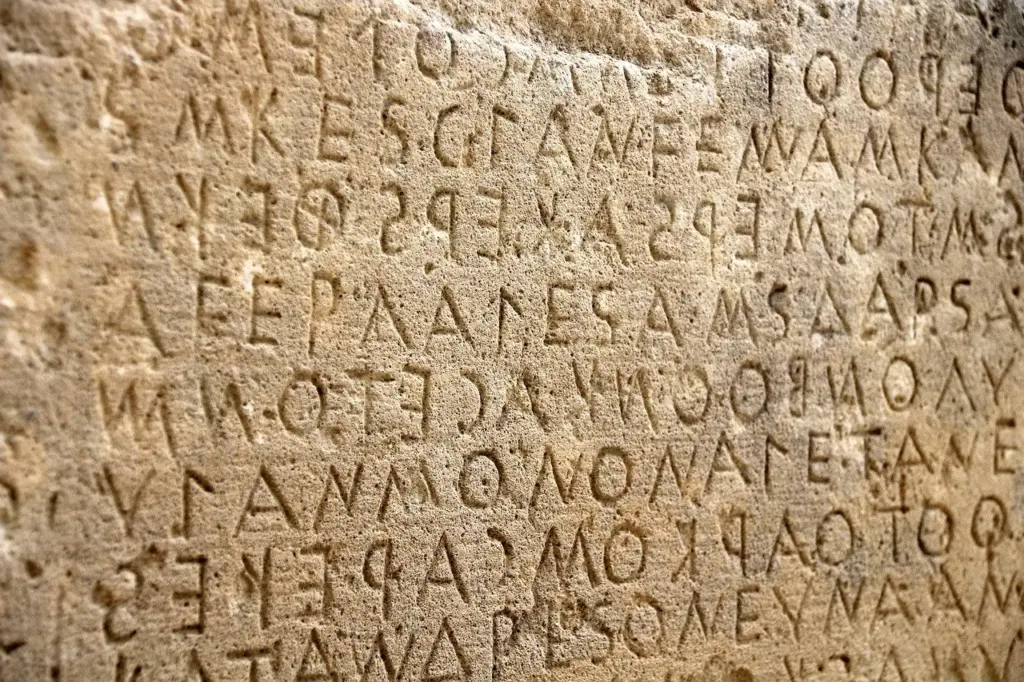
The oldest date in this guide belongs to “apple of my eye”. The Essential BS says King Aelfred of Wessex used it for the first time in 885 A.D. The same source says “take it with a grain of salt” was originally seen in 77 A.D. but was not made popular until the 17th century.
Those two entries show why “earliest” and “popular” are different questions. If you are writing about a phrase, give the early attestation and the period when it spread as separate facts, because they can be centuries apart.
Early modern and later
The Essential BS gives 1613 as the first recorded use of “put your best foot forward”, and it says “a bird in the hand” was first used in the 15th century as a well-loved English proverb. “Bite the bullet” is younger, with a first recorded use in the late 19th century.
When you see a precise year, check whether it reflects one dictionary’s earliest quotation or a general period. A century label is a good sign of an honest summary, and a bare year deserves a second look.
Work, law and everyday life
Many idioms began as ordinary vocabulary from a trade, a courtroom or a club. Their origins are usually easy to follow because the original setting is a familiar human routine. Pick the entry that matches the phrase you are curious about.
- Caught red-handed. Mental Floss says it traces back to 15th-century Scotland and a legal usage. Choose this kind of origin when the phrase still sounds like a courtroom term.
- Blackballed. The Essential BS places it in 18th-century social clubs, where a committee voted on who could be a member. The phrase describes the vote itself.
- Burning the midnight oil. The explanation is that, before electricity, candlelight or lamp oil lit a room, so working late meant using up fuel. The phrase keeps that lost detail alive.
- Jumping on the bandwagon. The same source ties it to the mid-1800s, when circuses went around town before setting up.
- Close, but no cigar. In the 1800s you would hear this if you were a loser at the carnival. The cigar was a prize.
- Umble pie. Museum of Lost traces it to a medieval European dish, because “umble” is an archaic word once used for offal.
Two more work-related sayings have their own write-ups, and you can follow either one if a specific question brought you here: why do we say put on your thinking cap and why do we say you’re fired when you lose your job.
People and advertising
Some origins attach to a named person or a product. “Happy as Larry” refers, according to Museum of Lost, to the former Australian boxing champion Laurence “Larry” Foley. “Life in the fast lane” has a modern first known use in advertising, a 1989 print advertisement for Toshiba computers.
These origins are easier to check than the folk stories further on, because people and advertisements leave records. If a phrase has a modern, named origin, ask for the document before accepting the date.
Folk etymologies and contested stories
A folk etymology is a neat explanation that spreads because it is memorable, whether or not strong evidence backs it. The signal words are “some theorize”, “one theory”, “most likely” and “uncertain”. Repeat these stories only with their label attached.
Kick the bucket
Mental Floss lists the pig-hanging yoke or pulley as one explanation and a West African language theory as another. Having several rival theories tells you the origin is unresolved. If you want the full comparison of the candidates, see the origin of kick the bucket.
Pay through the nose
The exact origin is uncertain, but one theory ties the idiom to a 9th-century tax. It is a good example of a theory with a specific setting, a specific century and no firm proof. Say “one theory” and the sentence stays honest.
Spill the beans
Here the wording is stronger: the most likely origin is the ancient Greek voting process using black or white beans. “Most likely” is a deliberate hedge. It leaves room for a better explanation, so repeat it with the same hedge.
Mad as a hatter and dressed to the nines
The Essential BS links “mad as a hatter” to hat-making in the 17th and 18th centuries, noting that a side effect of making felt hats was often mercury poisoning. It explains “dressed to the nines” as a reference to the nine yards of fabric it took to make a whole suit in the 18th century.
Both are vivid and easy to retell. That is a reason for care rather than confidence, because vividness is what makes a story spread. Present them as the explanations usually given and not as the last word.
Quick reference: earliest dates cited
Use this table to compare the dated phrases at a glance. The right-hand column shows how to phrase the fact in your own writing.
| Phrase | Earliest date or period cited | Planning use |
|---|---|---|
| Apple of my eye | 885 A.D., King Aelfred of Wessex | The oldest cited use here. Say “first recorded”, not “invented”. |
| Take it with a grain of salt | Originally seen in 77 A.D.; popular from the 17th century | Give the early attestation and the popularity period separately. |
| Mad as a March hare | 1385, Chaucer’s The Friar’s Tale; widely known after 1865 | Credit Chaucer for the earliest evidence and Carroll for the spread. |
| Busy as a bee | 14th century, Squire’s Tale | Name the text, since the century alone is vague. |
| A bird in the hand | 15th century, as a proverb | Describe it as a proverb first and an idiom later. |
| Caught red-handed | 15th-century Scotland, legal usage | Link it to its legal setting, not a general era. |
| Put your best foot forward | 1613 | A precise year suits a first recorded use. |
| Jumping on the bandwagon | Mid-1800s | Quote the period, as the source does. |
Dates are as reported by Mental Floss and The Essential BS.
Customs, drinking words and money
Some everyday questions are about a habit rather than a phrase. For these, you need the earliest evidence of the behaviour as well as the earliest use of the words, and the two can have different histories. Each of the topics below has its own article.
Sneezing and the blessing
The blessing said after a sneeze is a spoken custom, so the question is how old the habit is and why people kept it. The full account is in why do we say god bless you when someone sneezes. Read it if you want the custom itself rather than another idiom.

Drinking words
Words for drinkers and drinking rituals tend to live in pubs and taverns before they reach dictionaries. That is useful to know, because a slang word often shows up in writing long after people began saying it. Two articles take the question further: why is a drunkard called a lush and why do we say toast when we raise a glass. The first suits readers curious about a single slang word, and the second suits readers curious about a ritual.

Tipping
Tipping is a money custom with its own vocabulary. If you want to know where the practice and the word came from, go to how did tipping originate. It is the right next read for anyone who has wondered why a small payment after a meal has a name that sounds like a hint.
Months and borrowed words
Single words follow a different route from phrases. An idiom entry usually answers who first said it. A word entry answers which language it came from and how it was spelled along the way. Keep that difference in mind when you pick an article.
Month names are the clearest case, because the names come from an older calendar tradition that still shapes ours. The article how did february get its name follows the word back to its roots.
Names of everyday objects work the same way. A hammock is easy to picture, but its word has a history of its own, and a good etymology entry will tell you which language supplied it and when it first appeared in English.

How to check a phrase origin yourself
You do not need to rely on any single article, this one included. A short routine will tell you how far a phrase story can be trusted, and it works for any saying you meet.

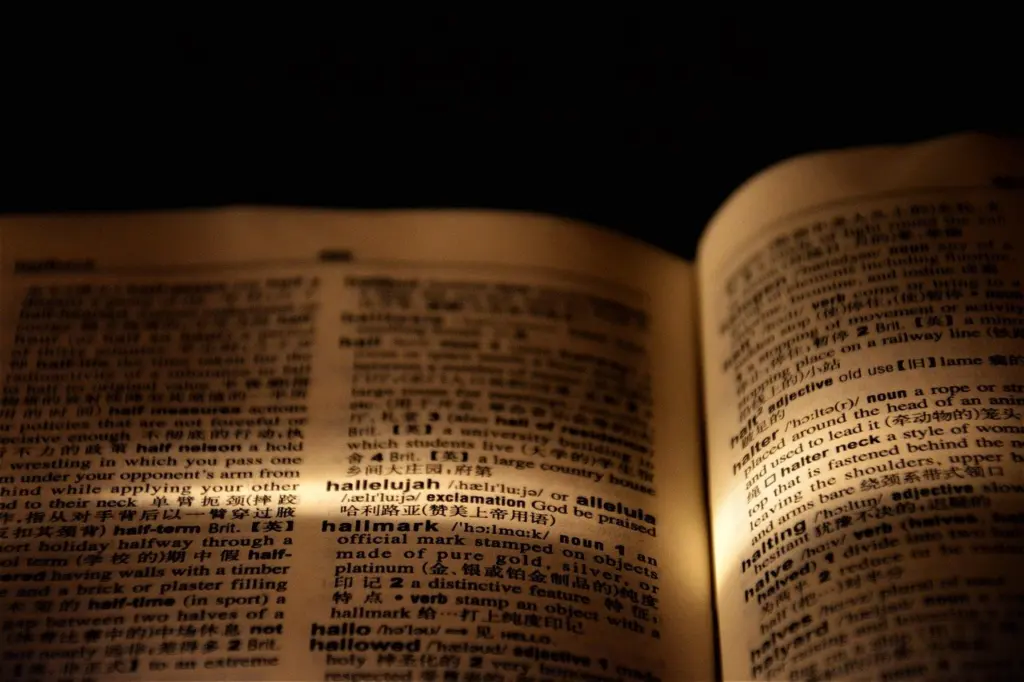
- Look up the earliest quotation. Open the Oxford English Dictionary, the Merriam-Webster etymology entry and the Online Etymology Dictionary, and note the oldest dated example each gives.
- Separate first use from coinage. A first recorded use is the earliest written example found, and the phrase may be older in speech.
- Read the hedges. Words such as “uncertain”, “some theorize” and “most likely” are part of the answer, so keep them when you repeat it.
- Compare entries. If the dictionaries disagree on a date or a language, say so instead of choosing the neater story.
- Check the story’s setting. If the explanation depends on a trade, a sport or a law, confirm that the setting existed in the period the date suggests.
If you follow those steps, the folk etymologies above become easy to label. The routine also tells you when to stop searching: once a theory has no earlier written example than a century-labelled retelling, it stays a theory.
Choosing your next read
Choose by the kind of curiosity that brought you here, and follow the matching article.
- You are curious about stage and performance sayings. Read the origin of break a leg.
- You want a phrase tied to a sound or a signal. Try the origin of saved by the bell.
- You are drawn to weather and animal imagery. The origin of raining cats and dogs is the natural stop.
- You want a saying about measurement and practical rules. Start with the origin of rule of thumb.
- You want a short everyday word. Open where did okay come from.
- You want a word shaped by traffic and the street. Read why is it called jaywalking.
Frequently asked questions
Is the earliest recorded use the same as the origin of a phrase?
No. The earliest recorded use is the oldest written example a source has found. The phrase may have been spoken for years before that, so treat the date as the earliest known appearance.
Did Lewis Carroll invent “mad as a March hare”?
No. The earliest evidence cited is Chaucer’s The Friar’s Tale in 1385. Carroll’s 1865 Alice’s Adventures in Wonderland made the phrase widely known.
Why do some phrases have several competing origins?
Where no early text settles the matter, each theory remains a theory. “Kick the bucket” is the clearest case, with a pig-hanging yoke or pulley explanation and a West African language theory.
Where should I look for a phrase’s first recorded example?
Start with the Oxford English Dictionary, Merriam-Webster etymology entries and the Online Etymology Dictionary. Compare what each gives, and keep any hedging words from the entry.