Presidential hobbies history falls into clear types: collecting and reading, sport, art, and novelty games. For physical pursuits, Theodore Roosevelt is the strongest documented fit. For quiet collecting, Franklin D. Roosevelt’s presidential library record leads.
More short stories from the national past sit in the fun history facts hub, which this guide extends with a closer look at how presidents spent their free time.
How the presidents are grouped
The sections below are grouped by leisure type and are not ranked, because a stamp album, a golf score and a painting cannot be scored against each other. Each group names the president whose pursuit is best documented, and it notes how firm the record is. A presidential library page is the strongest kind of record. A magazine or business-press summary is useful but secondary.
- Best for primary-source detail: Franklin D. Roosevelt, whose stamp and book collecting is described by the FDR Presidential Library.
- Best for physical activity: Theodore Roosevelt, who took up jujitsu and boxing as an adult.
- Best for golf: a reported career-best round of 66 attributed to Donald Trump.
- Best for the arts: Dwight Eisenhower, an avid landscape painter.
- Best for leisure spaces and novelties: Richard Nixon’s White House bowling alley and Calvin Coolidge’s electric horse.
Collecting and reading
Collecting is the leisure type with the best official record. The FDR Presidential Library’s presidential hobbies page states that Franklin D. Roosevelt began collecting stamps when he was about 8 years old. It also says that by adulthood he had about 23,000 books in his collection.
These two facts show a pattern worth noting. A childhood interest in stamps did not fade when he entered public life, and a reading habit grew into a very large personal library. Anyone researching presidential hobbies will find collections like these easier to document than sports, because a collection leaves catalogued objects behind.
Stamp collecting also has a reputation of its own. Business Insider’s survey of presidential habits notes that the pastime carries the nickname “the hobby of kings”, which helps explain why it suited statesmen.
Reading and study were part of Theodore Roosevelt’s leisure too. Forbes describes him as an avid reader, writer and ornithologist, among other things. That makes him a useful bridge between the quiet hobbies in this section and the active ones that follow.
This group suits readers who want evidence they can check. Its limit is that a count of books or a start age for a collection tells little about how much time a president actually had for it while in office.
Sports and physical pursuits
Sport is where presidential leisure is most visible, though the documented examples here are narrower than the popular image suggests. Two examples stand out: Theodore Roosevelt’s combat sports and the golf score attributed to Donald Trump.
Theodore Roosevelt: jujitsu, boxing and more
According to Forbes, Roosevelt took up jujitsu, boxing and a host of other physical activities as an adult. The phrase “as an adult” matters. It marks these as pursuits he chose later in life, alongside his reading, writing and bird study, so he combined strenuous and intellectual leisure rather than choosing one.
He is the best answer to the question of which presidents played sports if the reader wants variety rather than a single game. The limitation is that the available record names the activities but not any results, so it supports a description of his habits and not a record of achievement.
Golf: a reported 66
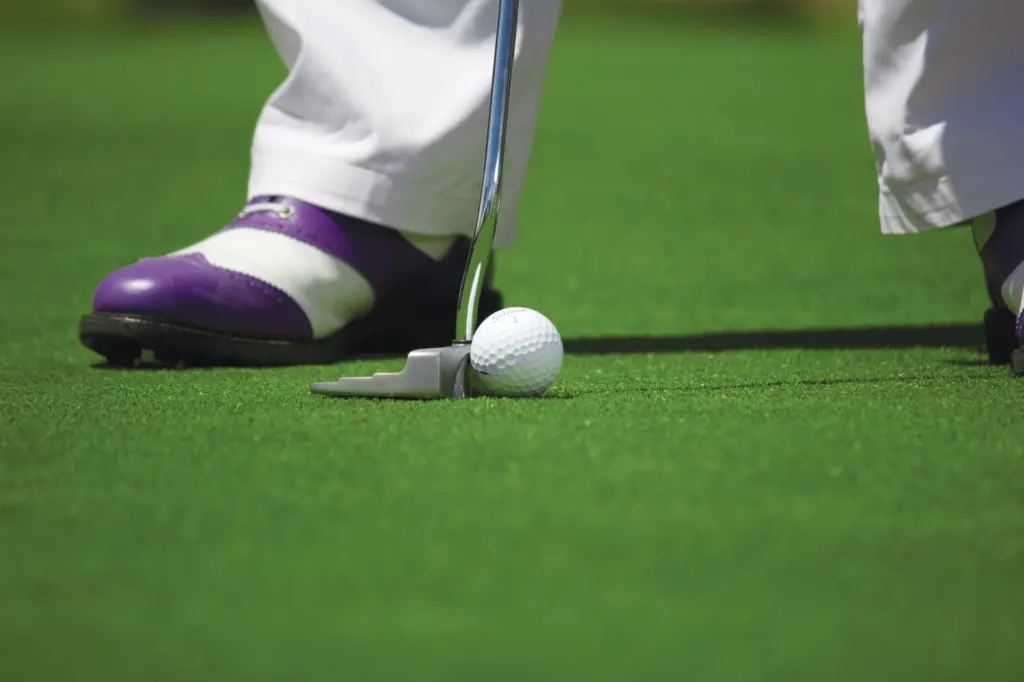
Golf is the sport most associated with modern presidents. Business Insider reports that Donald Trump has said his career-best round is a fairly impressive 66, which is six shots below par. The figure is the president’s own statement, so it works as a reported claim and not an audited scorecard. Treat it that way when quoting it.
Painting and the arts
Dwight Eisenhower is the clearest example of a president with an artistic hobby. Business Insider describes him as an avid painter who often captured natural landscapes and gave them to friends.
The gifting detail is the useful part. It suggests paintings made for pleasure and passed on informally, which means finished works may sit with private owners rather than in one public collection. Readers hoping to see a presidential painting should expect to search by museum or library catalogue and not assume a single dedicated gallery.
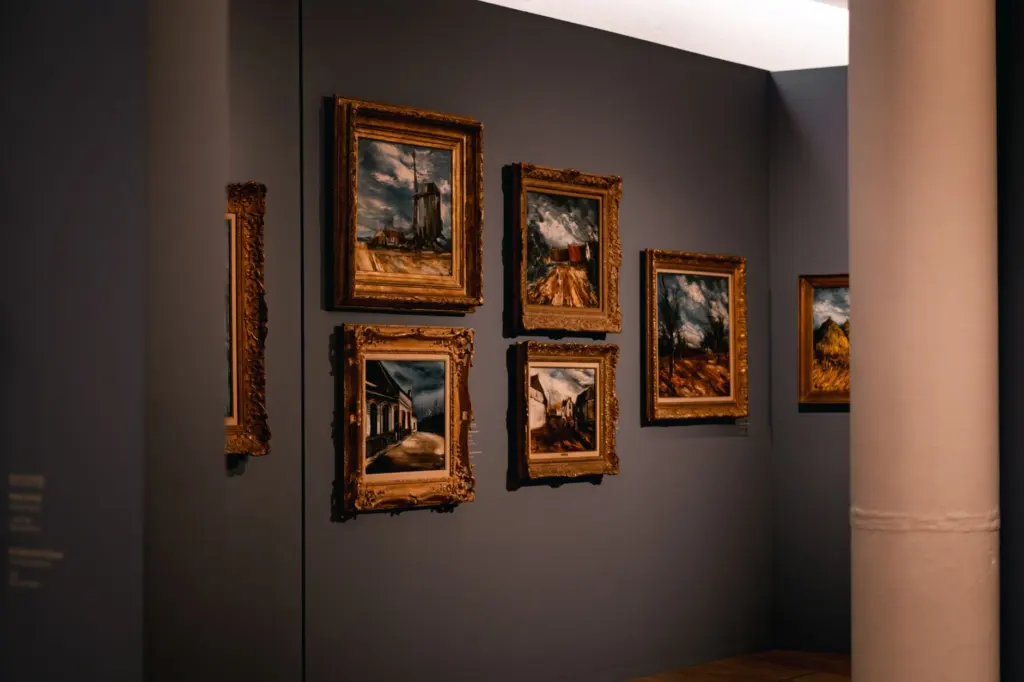
This type suits readers drawn to personality over statistics, since a landscape shows what a president chose to look at when no one was asking for a decision. Its limit is that the record names the subject matter but gives no count of works.
Games, novelties and rest
Some of the most memorable presidential leisure involved equipment installed inside the White House. These examples blur the line between hobby and curiosity, and they are the ones most likely to be tied to a specific place.
Nixon’s basement bowling alley
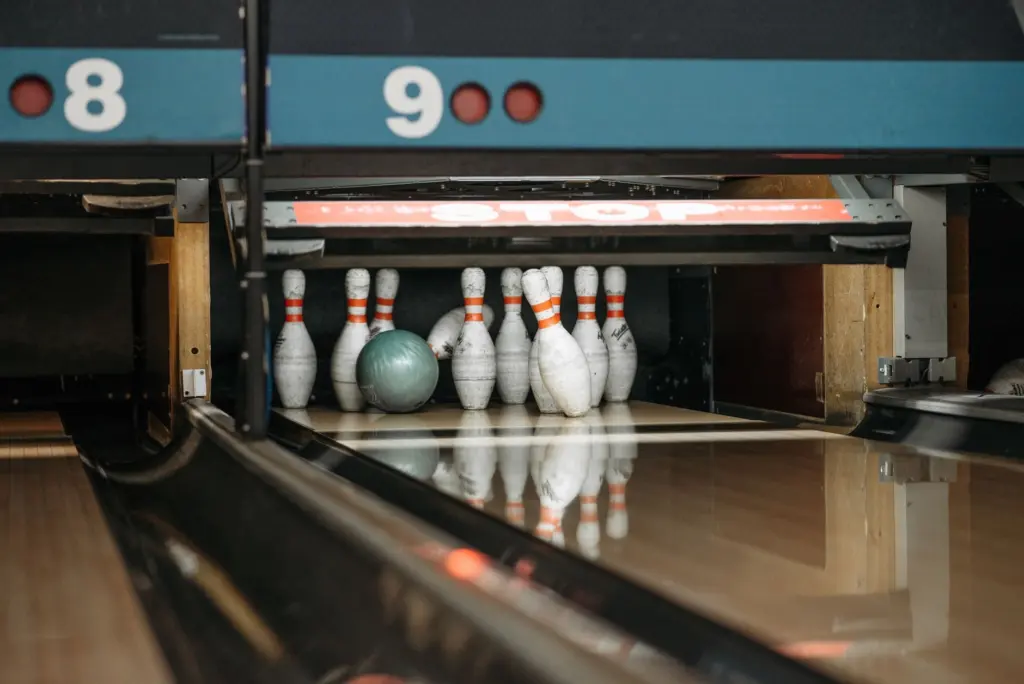
Per Business Insider, Richard Nixon had a one-lane bowling alley installed in the White House basement in 1969. A single lane is a modest set-up, which fits a private leisure space and not a public amenity. Bowling suits readers who want a hobby that left a physical footprint in the building itself.
Coolidge’s electric horse and daily nap
Calvin Coolidge supplies the oddest entry. Business Insider reports that he had an electric horse installed in the White House with two speeds: trot and gallop. It counts as exercise or amusement rather than competitive sport, which is why it belongs here and not among the sports.
His rest habits were just as consistent. Forbes says he typically slept for two hours every day after lunch, both during his White House tenure and afterward. A nap is a routine rather than a hobby, but it shows how Coolidge protected his downtime. Readers who enjoy this kind of oddity will find more in the weird facts about us presidents article.
Side-by-side comparison
| President | Leisure type | Documented pursuit | Planning use |
|---|---|---|---|
| Theodore Roosevelt | Sport and study | Jujitsu, boxing, reading, writing and bird study | Best for readers wanting variety in one person |
| Calvin Coolidge | Novelty and rest | Electric horse with trot and gallop speeds | Best for a light, memorable curiosity |
| Dwight Eisenhower | Art | Landscape painting, gifted to friends | Best for the arts angle; search catalogues for works |
| Richard Nixon | Games | One-lane White House basement bowling alley, 1969 | Best for a hobby tied to a specific place |
| Donald Trump | Sport (golf) | Reported career-best round of 66, six shots below par | Best for golf, treated as a reported claim |
These entries draw on Forbes for Roosevelt and Business Insider for the others.
Where to look for presidential hobby artifacts
The most dependable starting point is a presidential library, because its pages tie each hobby to a named collection. The FDR Presidential Library’s hobbies page documents Roosevelt’s stamp and book collecting, so it is the natural first stop for anyone wanting to see where such material is described.
Places are different from objects. Nixon’s bowling lane was installed in the White House basement, so it belongs to the building and not to a portable display. Eisenhower’s gifted landscapes are likely to be scattered. For any trip, check the relevant library’s collection pages first rather than assuming an item is on view.
Presidential leisure habits are one way to see how ordinary customs sit inside national history. The history of tipping in america follows another everyday habit across the same story.
Frequently asked questions
What hobbies did U.S. presidents have?
The documented examples cover collecting stamps and books, boxing and jujitsu, golf, landscape painting, bowling and amusements such as an electric horse. Reading, writing and bird study also appear in Theodore Roosevelt’s record.
Which presidents played sports?
Theodore Roosevelt took up jujitsu and boxing as an adult, and Donald Trump has said his best golf round was 66. Nixon’s bowling alley points to bowling as a pastime as well.
Where can readers see presidential hobby artifacts?
Begin with presidential library collection pages, such as the FDR Library’s hobbies page. The Nixon bowling alley was built into the White House basement, so it is tied to the building rather than to a library display.
Is stamp collecting really called the hobby of kings?
Yes. Business Insider notes that stamp collecting carries that nickname, and the FDR Library records that Franklin D. Roosevelt began collecting at about age 8.