The history of tipping in America runs from English vails to resort etiquette in the 1840s, a post-Civil War boom, short-lived state bans that were gone by 1926, and a tipped minimum wage that still shapes server pay.
This explainer follows that chain from cause to effect. For more short, sourced stories, browse our fun history facts.
Roots before the Civil War
Tipping came to America from Europe. National Geographic traces it to vails, small monetary gifts that English aristocrats gave servants for extra work in the late Middle Ages. That is the custom’s ancestry, not yet an American practice.
Accounts of the American start date disagree. One restaurant-history account says tipping began in the U.S. in the 1840s, probably imported from Europe. National Geographic says the practice only took off in America after the Civil War, as Americans traveled to Europe in greater numbers. Another history, from Poached Jobs, traces the beginning of tipping in the U.S. back to the 1860s.
The dates conflict only if “began” and “became common” mean the same thing. The most defensible reading is that tipping was a small habit among affluent Americans in the 1840s and a widespread custom only after the war. Anyone quoting a single start date should say which of those two events they mean.
Why the Civil War changed tipping
Tipping spread after the Civil War for two linked reasons. Americans were bringing European habits home, and employers found that tips could stand in for wages. National Geographic notes that tipping was adopted particularly among employers who used it to keep wages low.
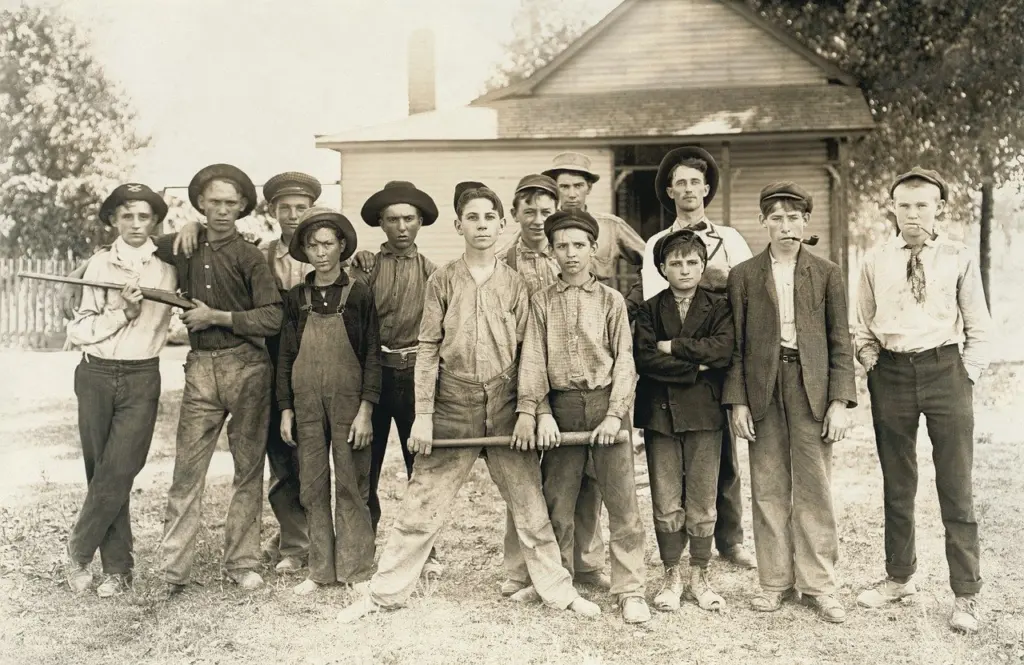
The Pullman porters show the mechanism most clearly. They were formerly enslaved Black men, and according to a Yahoo Lifestyle history of tipping culture the company paid them extremely low base wages and expected them to rely on passenger tips. National Geographic adds that the Pullman Company openly admitted paying sub-living wages to its porters because they received tips.
The practical effect was a shift in who paid for service. The customer, not the employer, now decided much of a worker’s income, and the worker’s pay depended on a stranger’s mood.

Tipping in Gilded Age restaurants
Restaurants joined the custom after hotels and railways, and by the Gilded Age it was entrenched. Restaurant historians quote Charles Delmonico, who said in 1883 that tipping had become so well established throughout the U.S. that it could not be stopped.
The money could be substantial. The same account reports that some Coney Island waiters in the 1880s made as much as $25 a week in tips, about double the weekly wages of male office clerks. That made waiting tables attractive to workers and convenient for owners.
It also drew criticism. Observers alleged that restaurant owners took advantage of the situation by reducing waiters’ pay. Once tips were reliable, they could replace wages, and the allegation is the same pattern seen with the porters.
The anti-tipping movement
The anti-tipping movement was a campaign, strongest in the late 19th and early 20th century, to treat tipping as a threat to American equality. National Geographic reports that journalists frequently described tipping as un-American. The campaigner William Scott, linked to the Anti-Tipping Society, called it “a cancer on the breast of democracy.”
The campaign won laws. Several states outlawed the practice, including Iowa, South Carolina and Tennessee in 1915. A tipping history from Poached Jobs counts six states that temporarily abolished tipping. By 1926 every law prohibiting tips had been revoked, overruled or taken off the books.
The bans failed for a reason Delmonico had already given: tipping was too established to stop. The laws also targeted the customer’s gesture without changing the pay arrangements that depended on it. Where owners and workers both relied on tips, a ban had little to enforce.
Key dates at a glance
| Date | Development | What it shows |
|---|---|---|
| 1840s | One account dates American tipping to this decade, probably imported from Europe | An early elite habit existed before the war |
| After the Civil War | Tipping took off as Americans traveled to Europe in greater numbers | The custom became common, not just known |
| 1883 | Charles Delmonico said tipping was too well established to stop | Restaurants had accepted it |
| 1915 | Iowa, South Carolina and Tennessee were among states outlawing tipping | Opposition reached statute books |
| 1926 | All anti-tipping laws were off the books | The bans did not last |
| 1938 | Tipping was enshrined in American law with the creation of the minimum wage | Tips became part of wage law |
Dates here come from National Geographic and from a restaurant-history account.
From the 1938 minimum wage to today’s tipped wage
The law that ended the bans era did not end the wage logic behind tipping. When the first federal minimum wage of 25 cents an hour was set in 1938, 80% of the workforce was excluded, tipped workers among them. National Geographic describes this moment as tipping being enshrined in American law.
Tipped workers were later given a base wage of their own, but even then it was set at half the standard minimum. The figure was later locked in at $2.13 an hour.
That cash wage is still the structure for tipped work. According to Poached Jobs, the federal minimum is $7.25, the maximum tip credit an employer can put toward hourly pay is $5.12, and the cash wage for tipped workers is $2.13. Readers should check current state and federal rules before applying these figures, since states can set their own.
Where the word tip comes from
The custom’s ancestry is clearer than the word’s. Vails explain where tipping as a practice began, but they do not by themselves explain why the English word is tip. A historical dictionary entry is the right place to test any neat story about the word’s derivation.
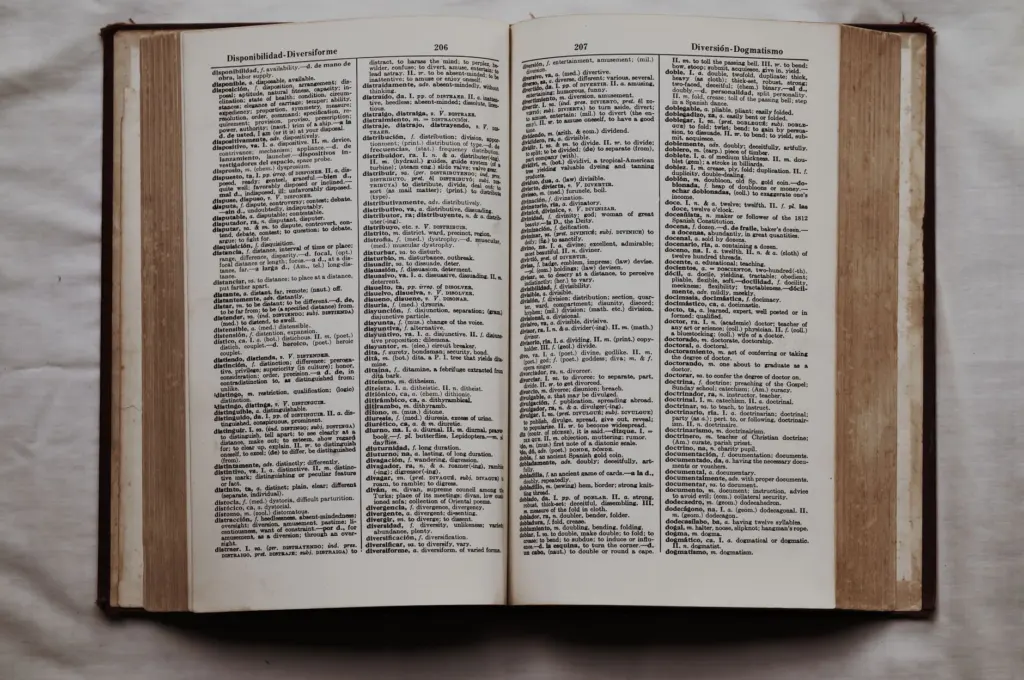
What the evidence does show is how the word was used. According to the restaurant-history account, tip was British English, and Americans used fee more often than tip in the 19th century. So the word arrived in American speech later than the habit did.

Frequently asked questions
Did tipping start in restaurants?
No. Affluent Americans initiated tipping at summer resorts such as Saratoga and Newport, according to a restaurant-history account. Restaurants adopted it afterward.
How much was a standard tip in the late 1800s?
By the end of the century, tips were based mainly on check size, with 10% generally viewed as the right amount, according to the same account.
How much of server pay comes from tips today?
For full-service servers, tips now make up more than 58% of the total paycheck, according to Yahoo Lifestyle.