Weird facts about US presidents are often calendar coincidences: Adams and Jefferson died on July 4, 1826, Monroe died on July 4, 1831, and Calvin Coolidge was born on July 4, 1872, according to the White House Historical Association.
This list belongs with our other fun history facts, and the building where many of these presidents lived has its own stories in fun facts about the white house. The items below run in date order. No item is ranked as stranger than another, because the records do not support that kind of scoring.
What makes a presidential fact worth including
A good oddity can be checked. Presidential trivia spreads quickly and often drifts from the record, so the facts here are limited to ones that an official body states plainly and that carry a date.
- A fixed date. Each item names a day and a year, so a reader can compare it with any other account.
- An official voice. The Library of Congress and the White House Historical Association supply the core statements, which is why they are cited in the sections below.
- A stated limit. Where a detail rests on newspaper reports, such as a deathbed quotation, the text says so instead of presenting it as certain.
This approach suits readers who want a trivia list they can repeat without embarrassment. It suits them less if they want superlatives such as the tallest or the most eccentric president. Those claims need their own dated or measured records before they belong on a list like this.
The July 4 presidents, in date order
Independence Day is the one date that links several presidents at both ends of life. The entries below start with the deaths of 1826 and end with the single birthday. Each entry says what the fact is, who it suits and where it stops.
John Adams: dying on July 4, 1826
John Adams died on July 4, 1826. The Library of Congress records that he died in Quincy, Massachusetts, at the age of 90, several hours after Thomas Jefferson had died. Newspaper reports gave his last words as “Jefferson still lives.”
This is the best entry for readers who like a story with a human centre. The limit is the quotation itself. It comes to us through newspaper reports, so it is safest to present it as reported speech. Jefferson had in fact died shortly after noon, so the words, as reported, reflect what Adams believed rather than what was true.
Thomas Jefferson: the same day, the same year
Thomas Jefferson died on July 4, 1826, shortly after noon, at the age of 83, at Monticello, Virginia. The Library of Congress account places his death before Adams’s, which is what makes the coincidence so tidy. Both men had been central to the founding generation, and they died on the same date in the same year.
Jefferson has a second July 4 connection that suits readers who prefer a lighter fact. The White House Historical Association notes that Independence Day has been celebrated at the White House since Jefferson was in office. That is a statement about the tradition, not about a specific year, so it should not be dressed up with a precise first date.
James Monroe: exactly five years later
James Monroe died on July 4, 1831. The Library of Congress describes the date as exactly five years after the deaths of Adams and Jefferson. Together, the three deaths make July 4 the date on which three presidents died, a count confirmed by the White House Historical Association.
Monroe suits readers who want the pattern rather than the drama. He adds no famous last words, and the available records give a date without a narrative. Mention him whenever someone says that only Adams and Jefferson died on July 4, because the fuller answer includes him.
Calvin Coolidge: the president born on July 4
Calvin Coolidge was born on July 4, 1872. The White House Historical Association calls it the birthday of one president, which answers the usual question directly: Coolidge is the president linked to a July 4 birth.

This fact suits readers who want a birthday rather than a death. Its limit is that it is a single data point. It tells you nothing about why the date mattered to him, and it should not be stretched into a claim about his character or public image.
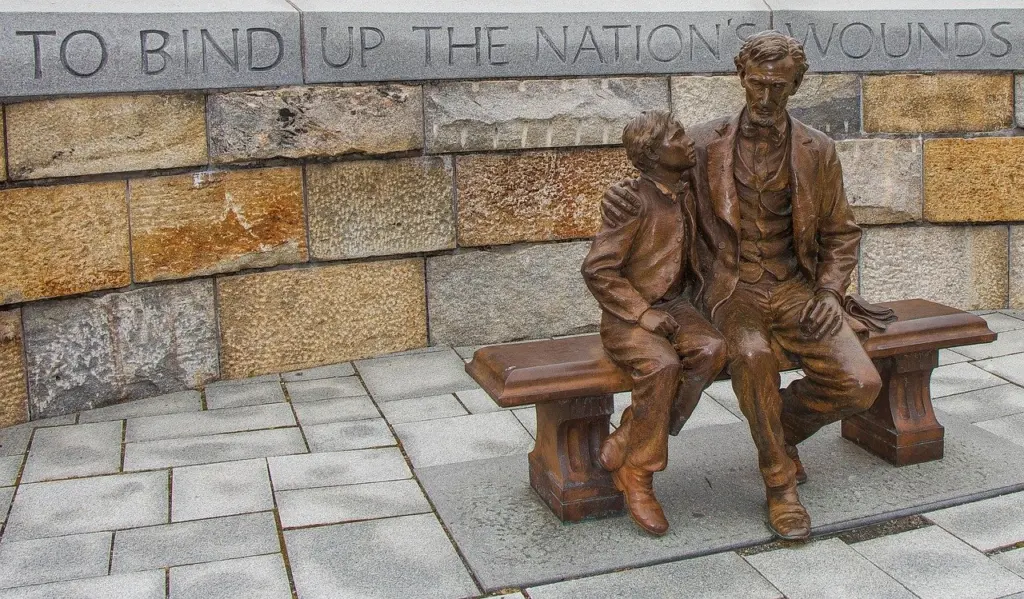
Madison, Jefferson and Adams: the rivalry behind the coincidence
The Adams and Jefferson story gains weight because the two men were once political opponents. The Library of Congress explains that Jefferson, along with James Madison, formed the Democratic-Republican Party while Adams was a Federalist. Madison therefore belongs in this story as Jefferson’s partner in building the opposing party, not as a July 4 figure.
The rivalry did not last in a simple form. Adams wrote to Jefferson on January 1, 1812, and the Library of Congress calls that letter the first of many. Their later correspondence is what turns the shared death date from a plain statistic into a story about reconciliation. If you only have room for one detail about the pair, choose the letter over the quotation, because the letter is documented as a written act and the last words are reported speech.
Comparing the July 4 facts at a glance
The table lines up the dated records for the presidents covered above, so you can see the pattern in one place.
| President | July 4 event | Year | Recorded detail | Planning use |
|---|---|---|---|---|
| John Adams | Died | 1826 | Age 90, Quincy, Massachusetts, several hours after Jefferson | Lead with this for a story-driven trivia item. |
| Thomas Jefferson | Died | 1826 | Age 83, Monticello, Virginia, shortly after noon | Pair with Adams so the sequence of the two deaths is clear. |
| James Monroe | Died | 1831 | Exactly five years after Adams and Jefferson | Use to correct the claim that only a few presidents died on July 4. |
| Calvin Coolidge | Born | 1872 | The only president born on July 4 in the White House Historical Association’s account | Use for the birthday question; avoid adding unsourced detail. |
The dates and ages come from the Library of Congress and the White House Historical Association.
Checking presidential trivia before you repeat it
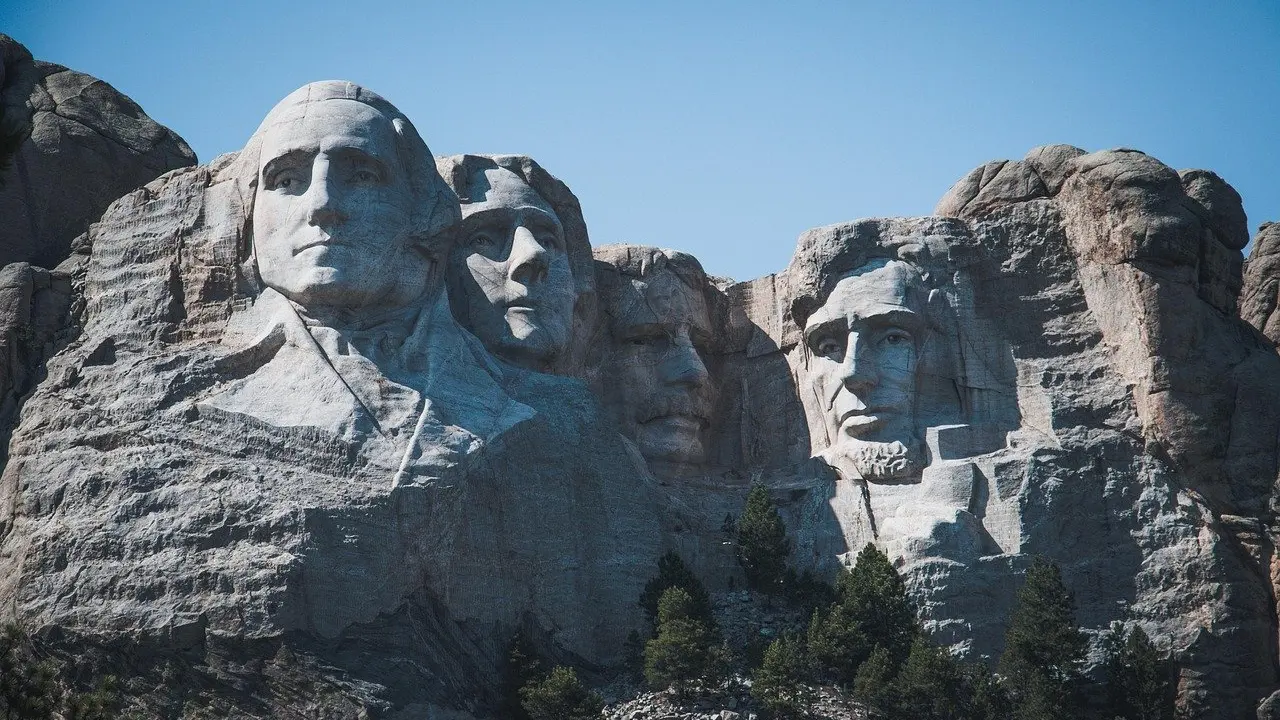
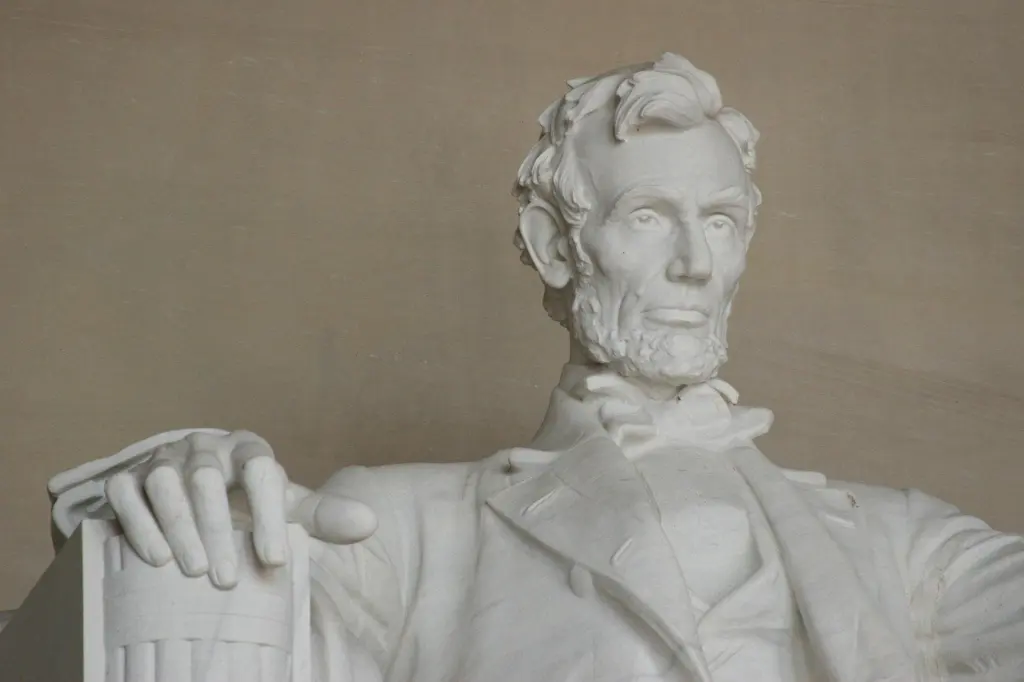
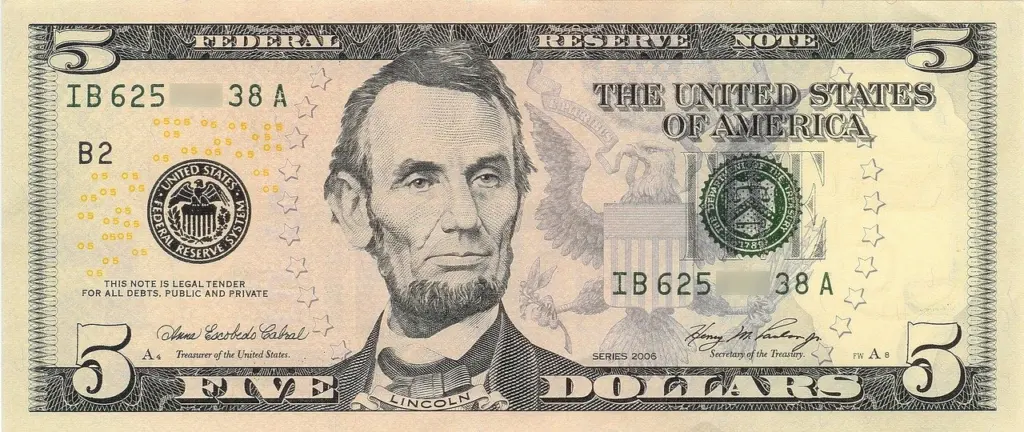
Presidents are mostly seen as portraits, statues and printed images, and that familiarity makes loose claims easy to believe. The details here hold up because each has a dated statement behind it. The same test is worth applying to any presidential oddity you meet elsewhere.
- Look for a date first. If a claim cannot be tied to a day and year, treat it as a story rather than a fact.
- Prefer the institution that holds the record. The Library of Congress and the White House Historical Association are better anchors than an unattributed list.
- Keep reported words separate from documented events. A letter dated January 1, 1812 is a record of an act. A deathbed line is a record of what was reported.
Used this way, the July 4 coincidences are a good test case. Several are documented, they are easy to compare, and they show how much of a trivia fact is the date and how much is the retelling around it.
Frequently asked questions
Which presidents died on July 4?
Three presidents did: John Adams and Thomas Jefferson in 1826, and James Monroe in 1831, according to the White House Historical Association.
Which president was born on July 4?
Calvin Coolidge, born in 1872, is the president the White House Historical Association links to a July 4 birthday.
What were John Adams’s reported last words?
Newspaper reports, quoted by the Library of Congress, give them as “Jefferson still lives.” Jefferson had died earlier that day.
Were Adams and Jefferson always allies?
No. Adams was a Federalist, while Jefferson and James Madison formed the Democratic-Republican Party. Adams’s letter of January 1, 1812 began a long correspondence between them, as the Library of Congress records.