Maple syrup can seem like a colonial invention, but the history of maple syrup in america begins with Native American nations of the Northeast, who tapped sugar maples and reduced the sap to syrup and sugar.
Settlers later made sugaring a farm routine, and the story sits alongside other fun history facts about everyday American life. The misunderstandings below show where the popular version drifts from the record.
Native American origins of maple syrup and sugar
Native American tribes were the first to discover the sweet potential of maple sap, according to a maple producer’s history of key figures. They developed ways to tap the trees and reduce the sap to both syrup and sugar. Sugar was not an afterthought. It was one of the two products of the same process.
For one region, the record is more specific. A history of sugaring in the Adirondacks names the Indigenous peoples of the region, including the Haudenosaunee and Algonquin nations, as the first maple syrup makers there. Their methods were direct. They cut slashes or bored holes into sugar maples to release sap, then boiled it down by dropping hot stones into it.
Common misunderstandings about early maple sugar
Most errors come from reading modern equipment and modern supply back into the past. The table sets the popular version against what the record supports.
| Common belief | What the record supports | Why it matters |
|---|---|---|
| Settlers invented maple sugaring | Native American tribes developed tapping and reduction to syrup and sugar. In the Adirondacks, Haudenosaunee and Algonquin peoples were the first makers. | Credit for the technique belongs to Indigenous nations, and settlers adopted an existing practice. |
| Sap was always boiled in metal kettles | Early sap was boiled by dropping hot stones into it. Iron kettles later replaced stone boiling, and wood-fired evaporators arrived in the 1800s. | Boiling method is a reliable clue to which period a description comes from. |
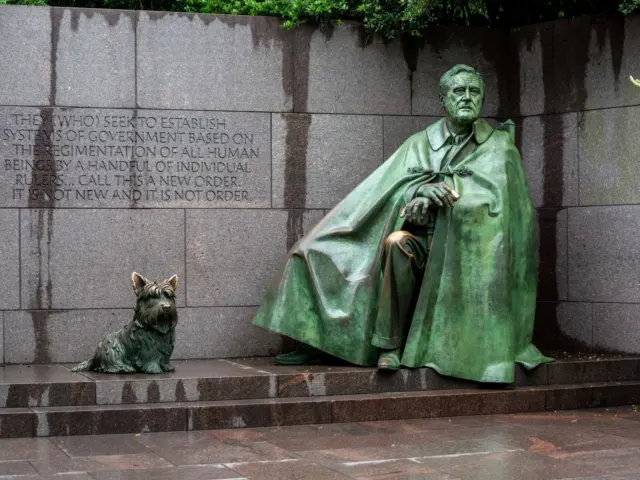
| Maple was only ever a novelty | Thomas Jefferson saw maple as a viable alternative to cane sugar and encouraged its production on his estate. | Maple was treated as a practical sweetener, not just a treat. |
| Sugaring was a commercial trade from the start | As settlers arrived in the 1700s and 1800s, maple sugaring became a key part of rural farm life throughout the Northeast. | Early production was household and farm work before factories appeared. |
The figures and dates above come from the Adirondack sugaring history and the key-figures history.
How tapping and boiling changed
Stones, then kettles
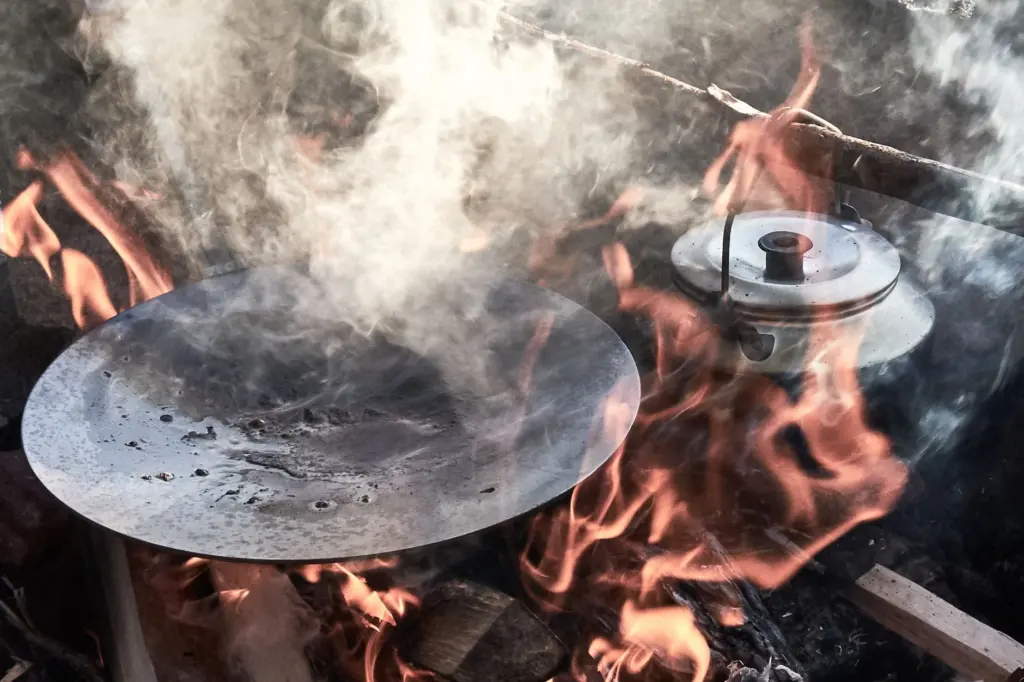
Stone boiling was a workable answer to a hard problem: sap is mostly water, and the sweetness appears only when it is reduced. Dropping hot stones into the sap did that without a vessel that could sit on a fire. Once iron kettles became available, they replaced the stones, and the work moved to a fire under a metal pot.
Evaporators and tubing
Wood-fired evaporators were introduced in the 1800s, according to the Adirondack history, and the same account stresses that sugaring remained, and still remains, labor-intensive work that demands patience and precision. The account also notes that grading today is based on color and taste, with options from Golden Delicate to Very Dark Robust.
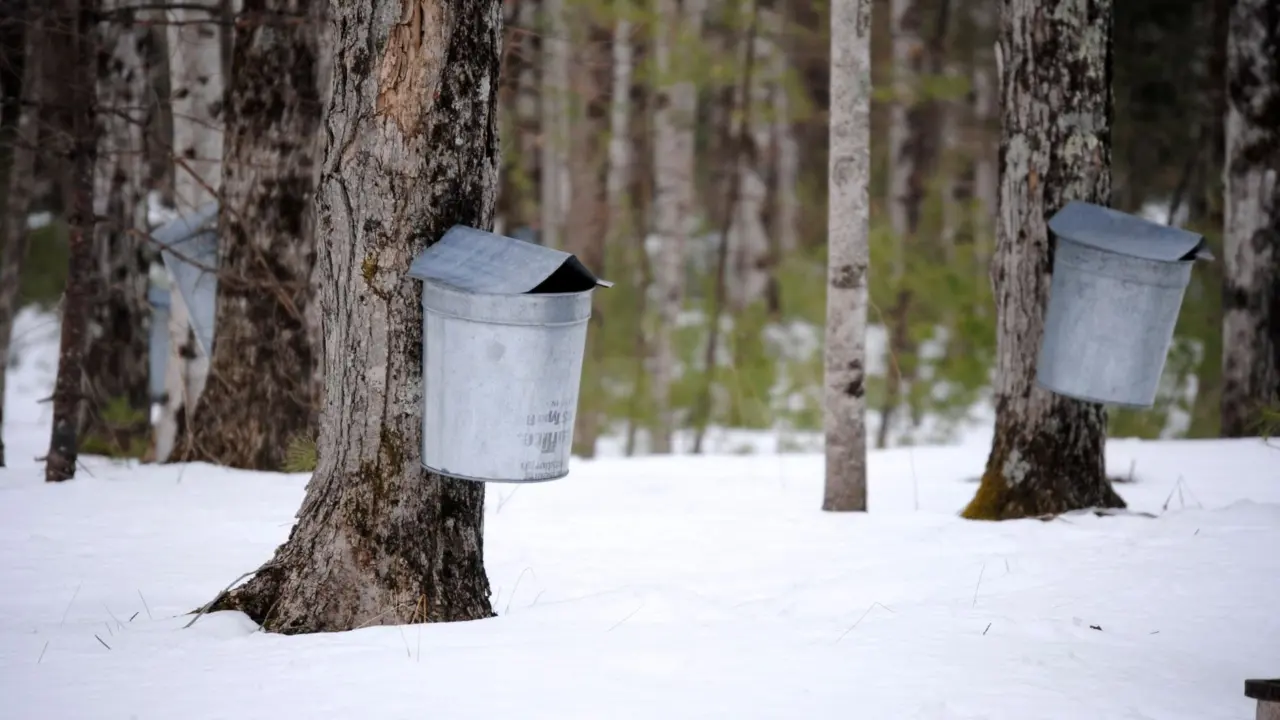
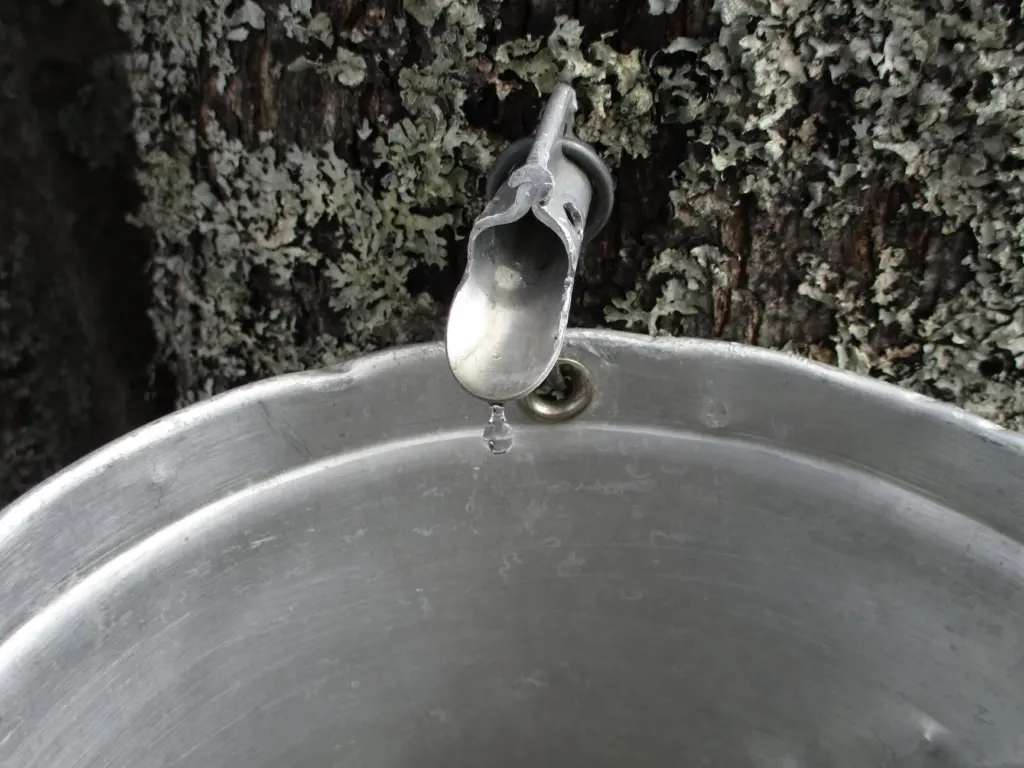
Other changes belong to named people. George Cary established Vermont’s first maple syrup processing plant in the late 19th century. Helen and John Bouton were instrumental in promoting plastic tubing for sap collection in the 1960s, according to the key-figures history. For a reader dating an old photograph, a bucket on a trunk fits older practice, and tubing points to the later period.
Cane sugar and honey beside maple
Cane sugar as the benchmark
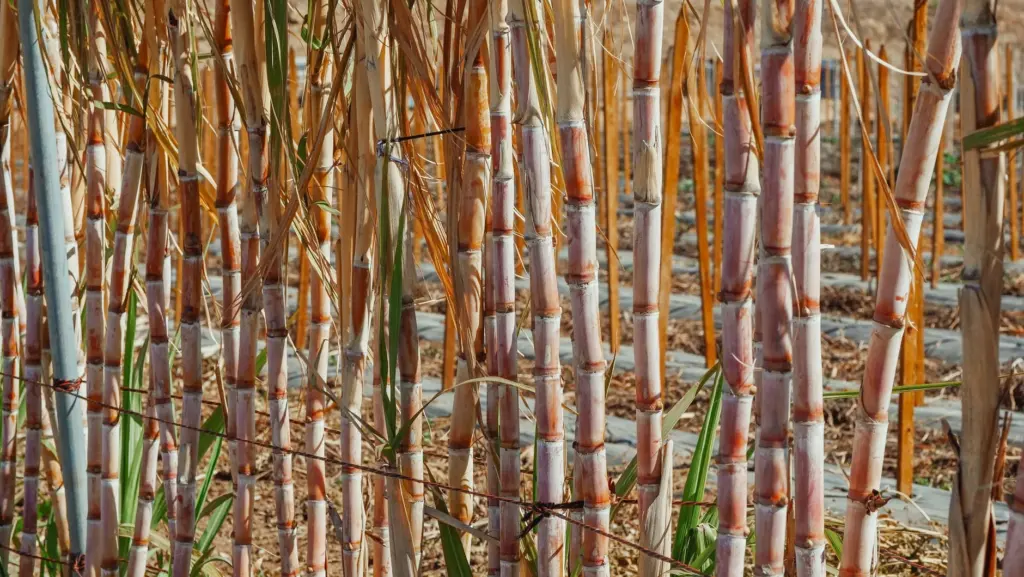
Jefferson’s interest in maple makes sense only against cane sugar, the sweetener he measured it by. He saw maple as a viable alternative to cane sugar, which is why he encouraged its production on his estate. That comparison explains why maple appears in early American discussions of sweeteners at all. It was a domestic option, while cane came from a different crop and a different growing region.
Honey from hives
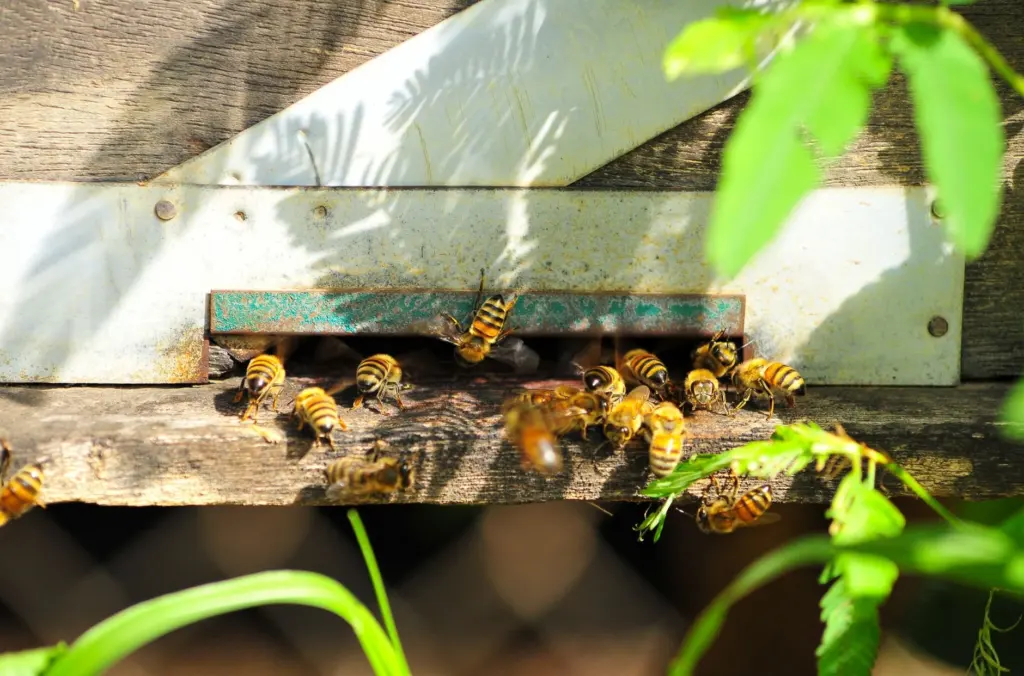
Honey is the third sweetener in the comparison, and it works differently from both. It comes from bees kept in hives, while maple sweetness has to be drawn from sap and concentrated by boiling. Seen this way, each sweetener has its own labor: cane from field crops, honey from hive keeping, and maple from seasonal tapping and long boiling.
Sugar maple trees and modern tapping limits
The tree itself shapes the industry. Researchers estimating US tap potential count sugar maple (Acer saccharum) and red maple (Acer rubrum) greater than 10 in dbh, a trunk-diameter measure, according to an analysis of the future of the maple sugar industry. These are cautious guidelines, not a target to push past.
Production after the early 1900s
The same analysis tracks historical production trends since the 1850s. US output declined sharply in the early 1900s and has since remained stagnant. Vermont clearly dominates US production because of its relatively high utilization rate, meaning how much of its tappable maple is actually tapped. Preliminary analysis points to much greater utilization in Canada, with Quebec far and away the leader, and Canadian production has increased dramatically in recent years.
A changing forest
The raw material is not guaranteed. The analysis notes that sugar maple-dominated forests of the Northeast are predicted to be replaced by oaks and hickories. For readers, the point is that the same trees which gave Native American nations of the Northeast their sweetener are the ones the modern industry depends on, and their range is not fixed.
Frequently asked questions
| Question | Answer |
|---|---|
| Who first made maple syrup and sugar? | Native American tribes first found that maple sap could be sweetened and developed tapping and reduction methods. In the Adirondacks, the first makers were Indigenous peoples including the Haudenosaunee and Algonquin nations. |
| Did Thomas Jefferson support maple sugar? | Yes. He viewed maple as a viable alternative to cane sugar and encouraged its production on his estate. |
| Which places lead maple syrup production today? | Among US states, Vermont clearly dominates. Preliminary analysis shows Quebec far and away the leader overall, with Canadian output rising dramatically in recent years. |
| What are modern syrup grades? | Grading is based on color and taste, from Golden Delicate to Very Dark Robust. |
For more stories about how ordinary objects and habits took shape, read the history of the hammock or the history of tipping in america.