| Reader situation | What the record shows | Planning use |
|---|---|---|
| Planning a visit | The Liberty Bell Center is at 526 Market Street, Philadelphia. It is open daily 9 am–5 pm, admission is free and no tickets are required. | Arrive well before closing, because the security screening area closes at least 5 minutes before the Center does. |
| Understanding the crack | The bell cracked soon after it arrived, was recast in 1753 by John Pass and John Stow, then cracked again in 1846 and has not been rung since. | Expect a silent bell on display, not one that can be sounded. |
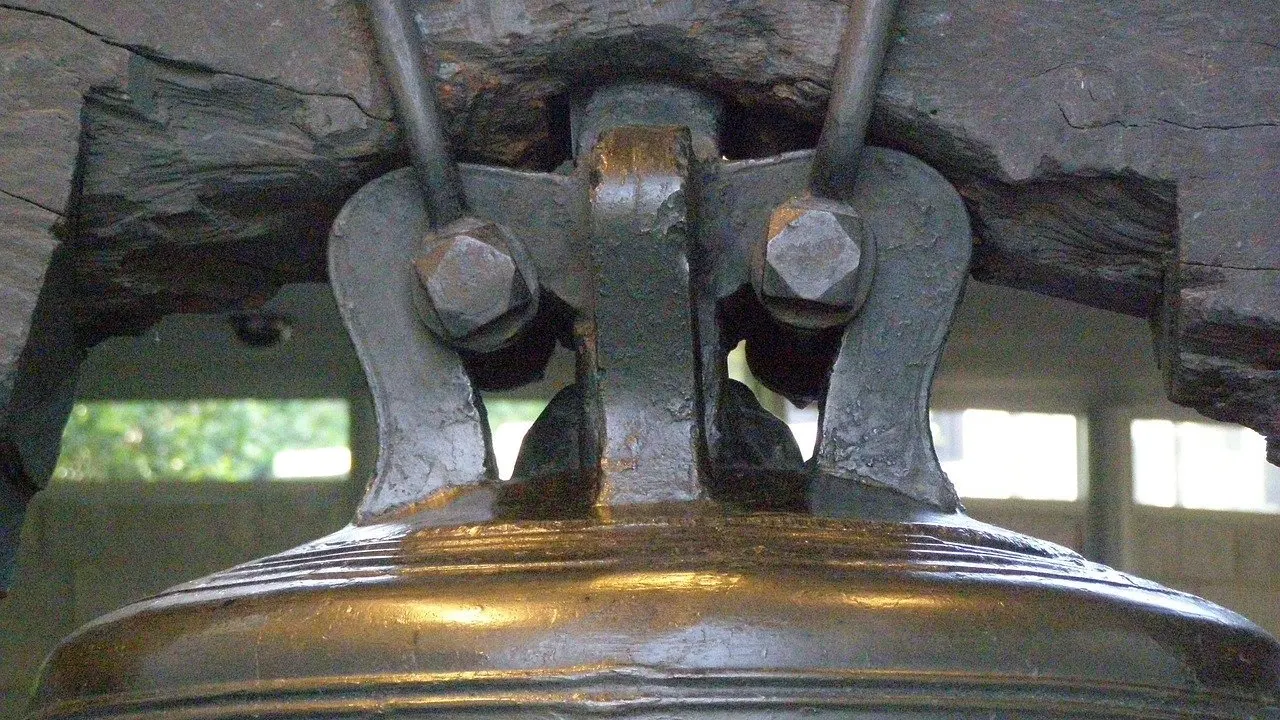
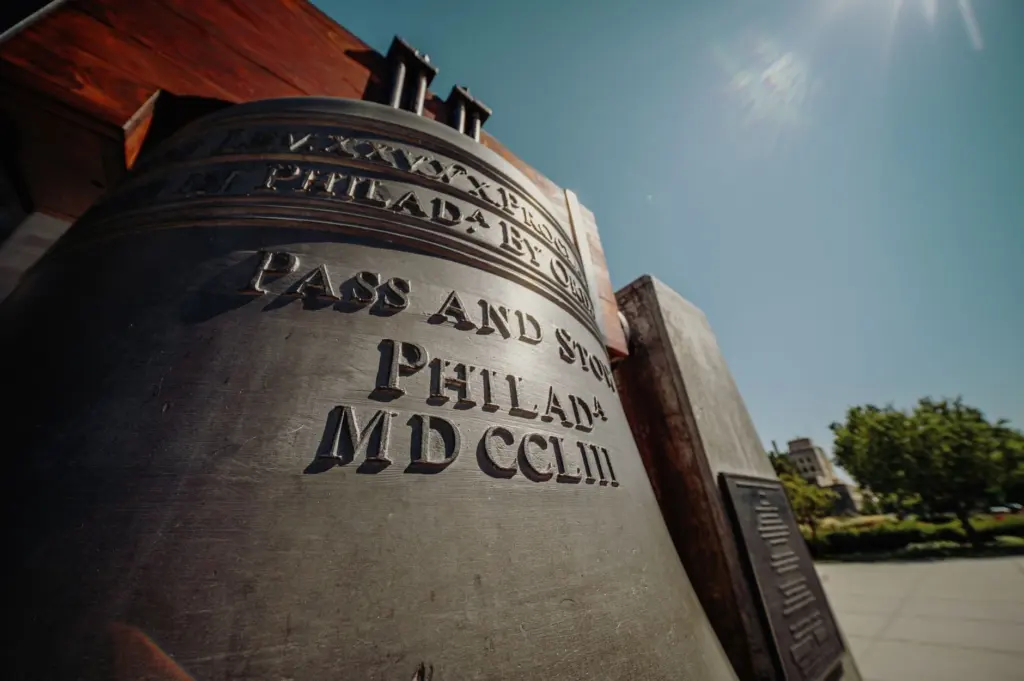
| Reading the markings | The makers’ names and the Roman numerals MDCCLIII (1753) are marked on the bell. | Look for the numerals to confirm the recast year. |
| Tracing its homes | The bell was first made in 1752 for the Pennsylvania State House, now Independence Hall, and has stayed in Philadelphia since 1915. | Keep the bell’s original building and its present home distinct. |
The figures above come from the National Park Service’s Liberty Bell Center page and the U.S. Government Publishing Office’s Ben’s Guide to the Liberty Bell.
These liberty bell facts separate the documented record from the legends, covering where the bell is displayed, how its crack and inscription developed, and how the Great Seal on the dollar bill compares.
If you enjoy checking famous stories against the record, more of them sit in our collection of fun history facts. The sections below are grouped by what you are trying to do: visit the bell, test its legends, read its words, or look at the Great Seal.
Visiting the bell in Philadelphia
Anyone planning a trip needs two answers: where the bell is, and what to expect on arrival. Both are simple, and the practical details favor an unhurried visit.
Where the Liberty Bell is located now
The bell is displayed in the Liberty Bell Center at 526 Market Street in Philadelphia, according to the National Park Service. It has stayed in Philadelphia since 1915, as Ben’s Guide notes. That matters for anyone picturing the bell where it began: it was made for the Pennsylvania State House, now known as Independence Hall, and no longer hangs there.
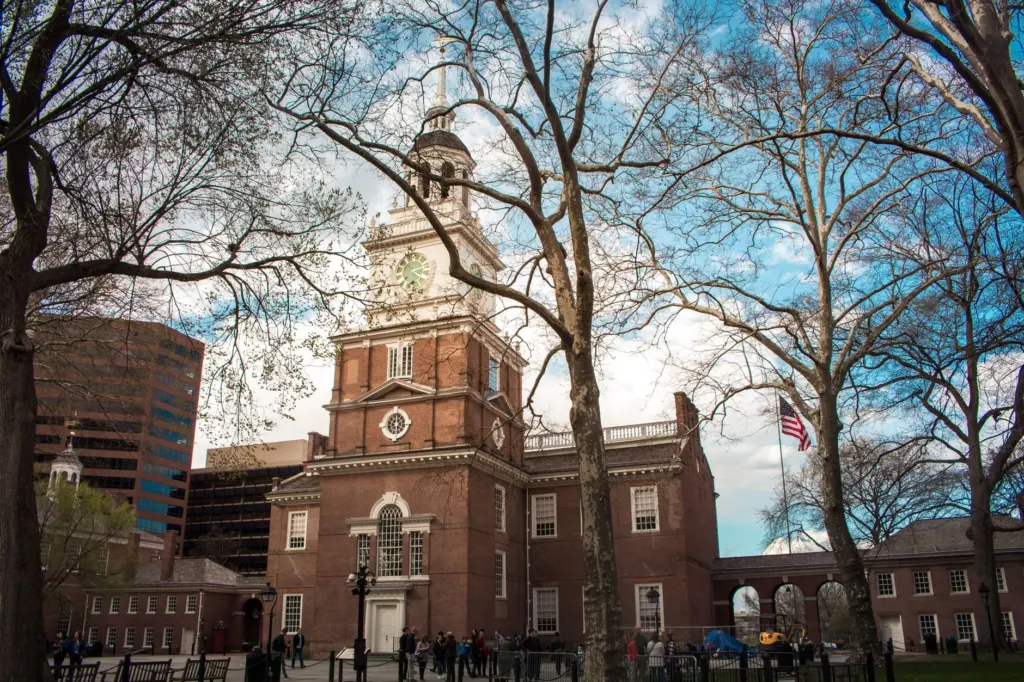
Before you go
The Center suits a short, flexible stop rather than a ticketed outing. The practical points the National Park Service lists are these:
- Cost and tickets. Admission is free and no tickets are required, so there is nothing to book in advance.
- Hours. The Center is open daily, 9 am–5 pm. Aim to be in line before the last stretch of the day, since the security screening area closes at least 5 minutes before closing.
- What the exhibits cover. Topics range from the founding of the State House bell, now known as the Liberty Bell, through its use by abolitionists and civil rights advocates. The visit is as much about how the bell became a symbol as about the object itself.
A short visit works well for most people, because the story the exhibits tell is the same one traced in the next section, where the famous legends meet the record.
Checking the famous legends
Most popular stories about the bell compress several events into one dramatic moment. Separating them is easiest by sorting what is documented from what is tradition.
Did the Liberty Bell ring for the Declaration?
There is no solid support for the idea that the bell rang for the Declaration. The Independence Hall Association’s ushistory.org reports that tradition places a chime on July 8, 1776, when the Declaration was read, but that historians today highly doubt the bell rang in 1776 at all. The same account notes that the steeple was in bad condition. If you hear the popular version told as settled fact, treat it as legend.
When and how did the bell crack?
The bell cracked more than once, which is why single-event stories tend to fail. According to Ben’s Guide, it cracked soon after it arrived in Pennsylvania, and a new bell was cast from the same metal in 1753. The bell on display today is that recast bell.
The final break came later. The State Department’s ShareAmerica account says the bell’s last ring, which resulted in an irreparable crack, sounded for George Washington’s birthday on February 23, 1846. Ben’s Guide agrees that it cracked again and has not been rung since. In short, there were two cracks: an early one that led to recasting, and the 1846 crack that ended its use as a ringing bell.
Cast in London, recast by Pass and Stow
The bell’s origin story is better documented than its legends. ShareAmerica says it was commissioned in 1751 to sit atop the Pennsylvania Assembly building. Ben’s Guide records that the bell was first made in 1752 for the Pennsylvania State House, cast in London, England, and shipped to Pennsylvania. The 1753 recast by John Pass and John Stow is the reason their names, and the numerals MDCCLIII, are marked on the bell you see today.
This sequence is the one to trust over any story that skips the first bell. For a broader look at how such stories take hold, our guide to common myths about american history covers similar cases.
Reading the bell’s name and inscription
The bell’s words and its name are not the same thing, and the gap between them is where the most interesting history sits.
What the inscription on the Liberty Bell means
The inscription band carries the line “Proclaim Liberty throughout all the Land”, and the photo above shows the closing words of that band running along the lip. The line speaks of liberty, but the bell was not originally made as a liberty symbol. The Pennsylvania Assembly ordered it in 1751 to commemorate the 50-year anniversary of William Penn’s 1701 Charter of Privileges, according to ushistory.org. Read the inscription with that purpose in mind: it belongs to a charter anniversary first, and the broader national meaning was added by later generations.
How it became the Liberty Bell
The name came later. Ben’s Guide explains that in the early 1800s, people who wanted to outlaw slavery called it the “Liberty Bell”. The National Park Service’s exhibit description likewise follows the bell from the State House through its use by abolitionists and civil rights advocates. That makes the name a product of nineteenth-century campaigning rather than of the bell’s casting, which is a useful corrective to the idea that it was always known by that title.
The Great Seal beside the bell
The Great Seal is a different kind of object. The bell is one cast piece of metal with a documented history of making, cracking and recasting. The Seal is a design, and most people meet it as an image rather than a single artifact.
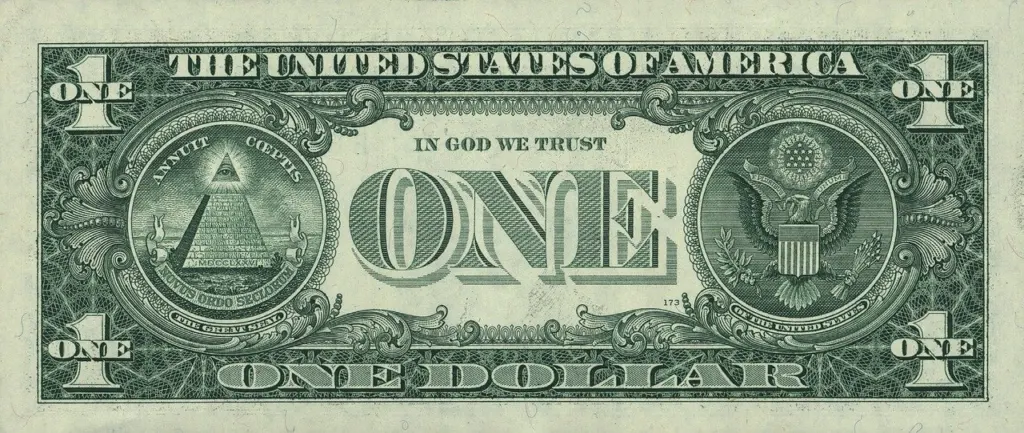
The easiest place to study it is the reverse of a one-dollar bill, where the Great Seal appears with a pyramid on the left and an eagle on the right. The words “IN GOD WE TRUST” and a large “ONE” sit in the center of the note.
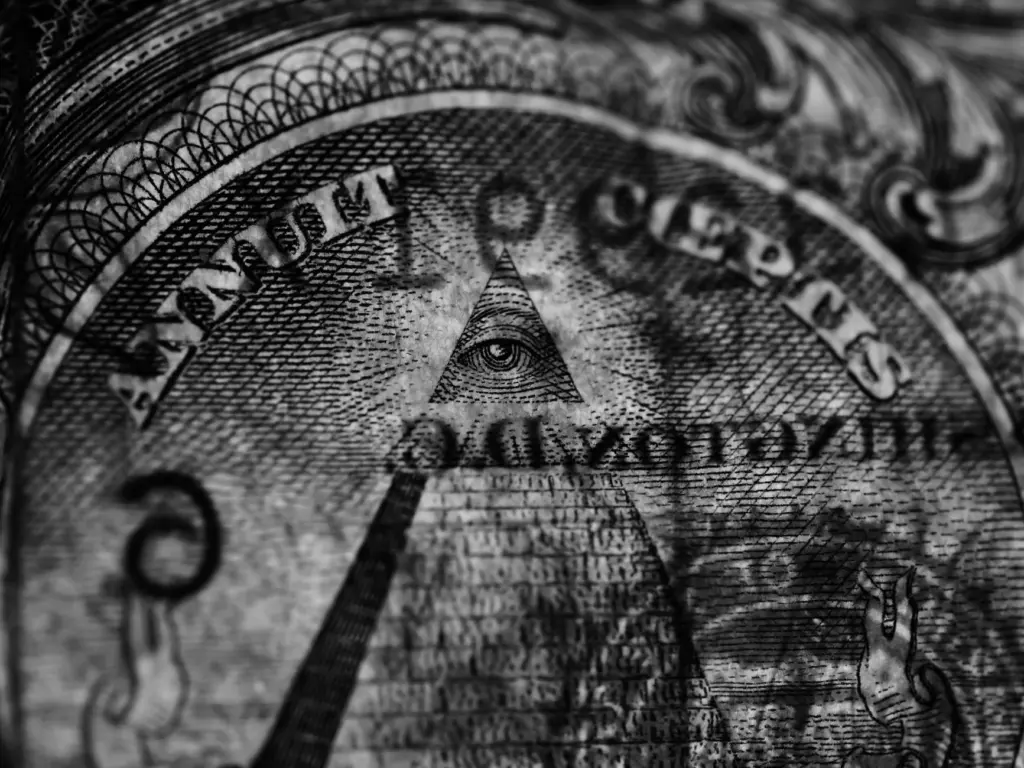
When you read about what the eagle or the pyramid stands for, apply the same test used for the bell: ask which record supports the explanation. A neat symbolic story with no named source behind it deserves the skepticism the bell’s ringing legend earned. The comparison also shows why both objects are worth pairing. Each carries a popular reputation that is larger than the documented detail underneath it.
Another national symbol with a traceable timeline is the pledge recited in classrooms, covered in our history of the pledge of allegiance.
Frequently asked questions
| Question | Answer |
|---|---|
| Why was the bell originally ordered? | It was ordered in 1751 to mark the 50-year anniversary of William Penn’s 1701 Charter of Privileges, per ushistory.org. It was commissioned to sit atop the Pennsylvania Assembly building, according to ShareAmerica. |
| Did the bell ring for any other founding event? | Yes. ShareAmerica says the bell sounded in 1787 at the signing of the U.S. Constitution, an event with firmer support than the 1776 ringing story. |
| Are there copies of the bell? | Yes. In 1950, President Harry Truman ordered 57 full-sized Liberty Bells, one for each state and territory, according to ShareAmerica. |
| Are there restrooms inside the Liberty Bell Center? | No. The National Park Service says there are none in the Center; the nearest restrooms are in the Independence Visitor Center, so plan a stop beforehand. |