The fdr children’s hour white house ritual was a small gathering held most evenings of Roosevelt’s presidency, according to the Roosevelt Library. It came directly before dinner, and it ran on a single attendance rule: leave official business at the door.
The ritual is one of the more human details collected among the fun history facts about American presidents. The sections below separate what the archive documents from the memoir recollections that grew up around it.
What the Children’s Hour was
The Children’s Hour was Franklin D. Roosevelt’s informal pre-dinner cocktail gathering. The Franklin D. Roosevelt Presidential Library describes these intimate social gatherings as coming immediately before dinner during most evenings of his presidency. Its place in the day is defined by sequence: it came directly before the evening meal.
The attendance rule is the best-documented feature. Guests were asked to leave official business at the door, and the library notes that discussing politics was not completely prohibited. In practice the rule set a tone more than a wall. The hour was meant to be social, but a president’s closest circle could not be expected to forget the day’s work entirely.
The practical meaning is that the gathering was a routine, not an occasional treat. A ritual repeated across most evenings shaped how his staff and friends saw him at the end of the working day. It also gave the White House a fixed point between office hours and dinner. Who made up that circle is the next question.
The White House study as the setting
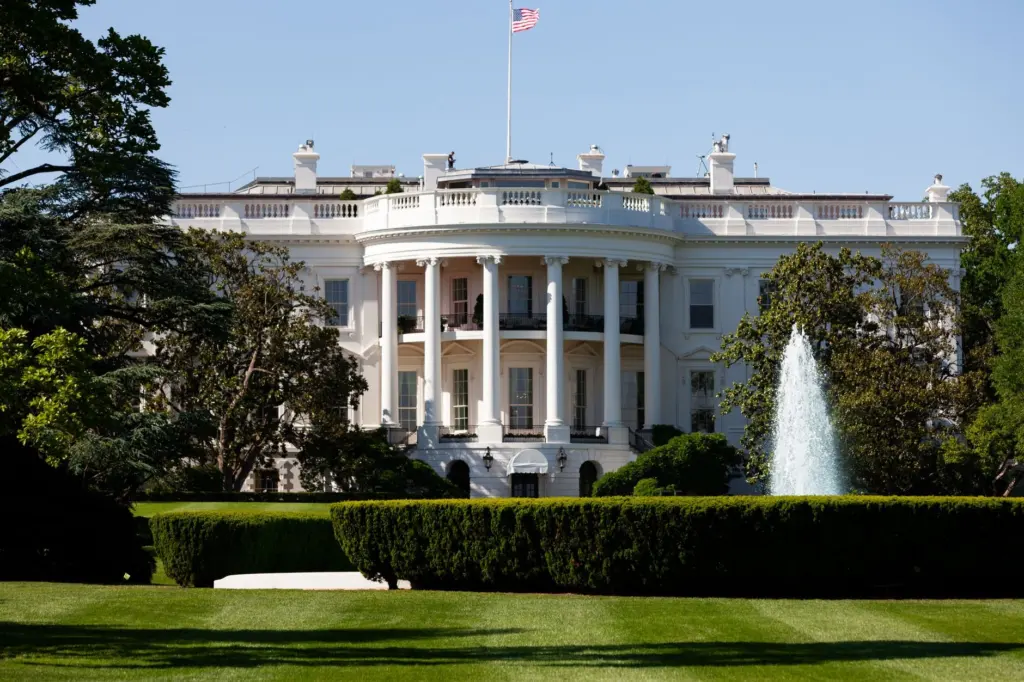
The library places the gathering in the White House study, where Roosevelt would gather his closest staff, friends and confidants. The setting matters because it kept the event small. These were not receptions with a guest list of officials. The library calls them very small gatherings.
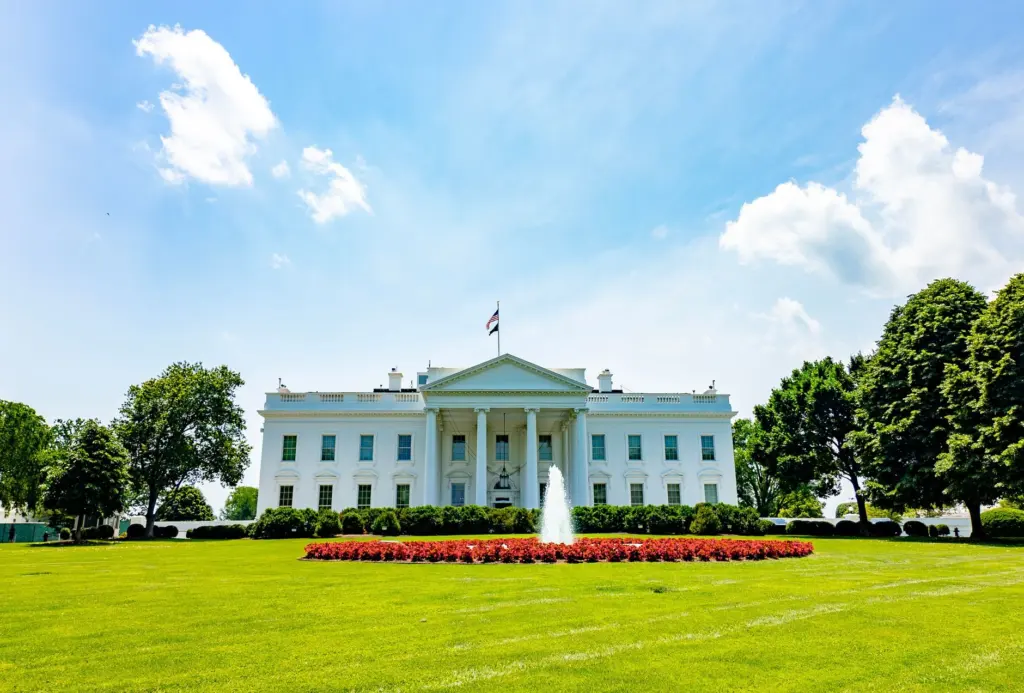
A private room inside a public building is a useful clue to the purpose. The president could step out of formal duties without leaving the residence. That arrangement also fits the physical limits the library describes, which are covered below.
Who attended the evening gatherings
The regular guests were White House staff and advisers. The library names Grace Tully, Louis Howe, Harry Hopkins, Marvin McIntyre and Steve Early among those who attended over the years. The word “over the years” matters, because the group changed as staff and advisers came and went. No single fixed membership list applies to the whole presidency.
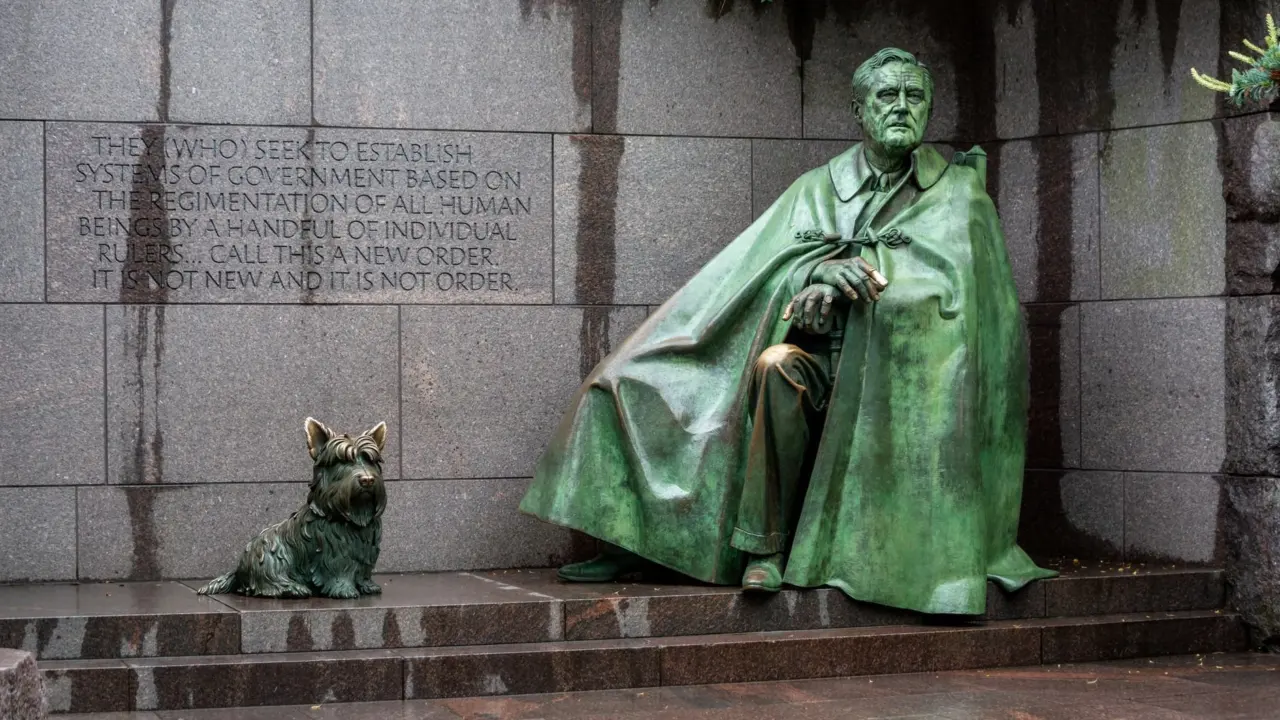
Roles within the room were also defined. Missy LeHand acted as hostess for the very small gatherings. Eleanor Roosevelt made only an occasional appearance at the cocktail hour. In later years the president’s Scottie dog, Fala, was by his side.
Guests understood their role. The library says they knew it was to entertain the 32nd President. The gathering was a comfort for Roosevelt, not a policy meeting, and company that could keep the conversation light served that purpose best. Drinks were part of the entertainment, and Roosevelt handled them himself.
Drinks and the cocktail hour beyond Washington
Roosevelt usually prepared and served the cocktails himself. The Martini was perhaps his favorite, though he also enjoyed the Old Fashioned. When he mixed a martini, he often used a ratio of three parts gin to one part dry vermouth, or sometimes four to one, in the library’s description.
That ratio should be read as a habit and not as a recipe. A memoir account cited by the library says he would add one ingredient after another without bothering to measure. The proportions therefore varied from glass to glass, and no single exact formula describes every drink he made.
The ritual also travelled. The library notes that Roosevelt even held his cocktail hour at large diplomatic conferences. At the Teheran Conference on November 29, 1943, Stalin commented that a drink was cold on the stomach. The detail shows how far the habit extended: it was part of how Roosevelt handled company, whether the guests were advisers in the White House or foreign leaders abroad.
Stamp collecting and other ways Roosevelt relaxed
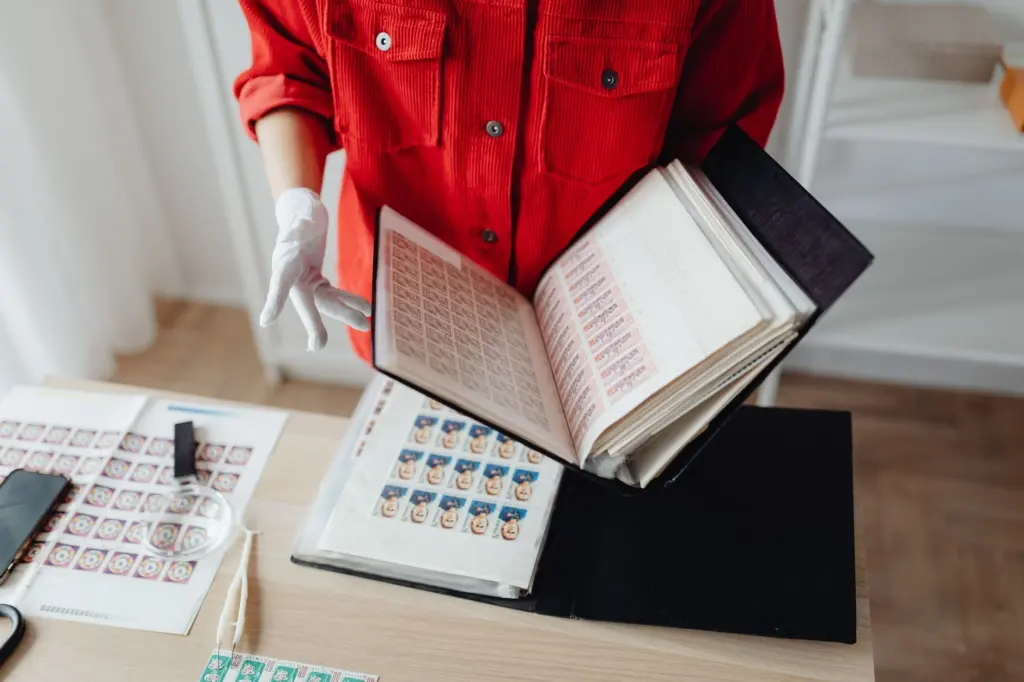
Roosevelt had several hobbies, and the library calls stamp collecting perhaps the best known. That is the extent of the claim the archive account makes. It identifies the hobby without giving a count of stamps or a schedule for when he worked on his albums, so a precise evening timetable for stamp work would go beyond the evidence.
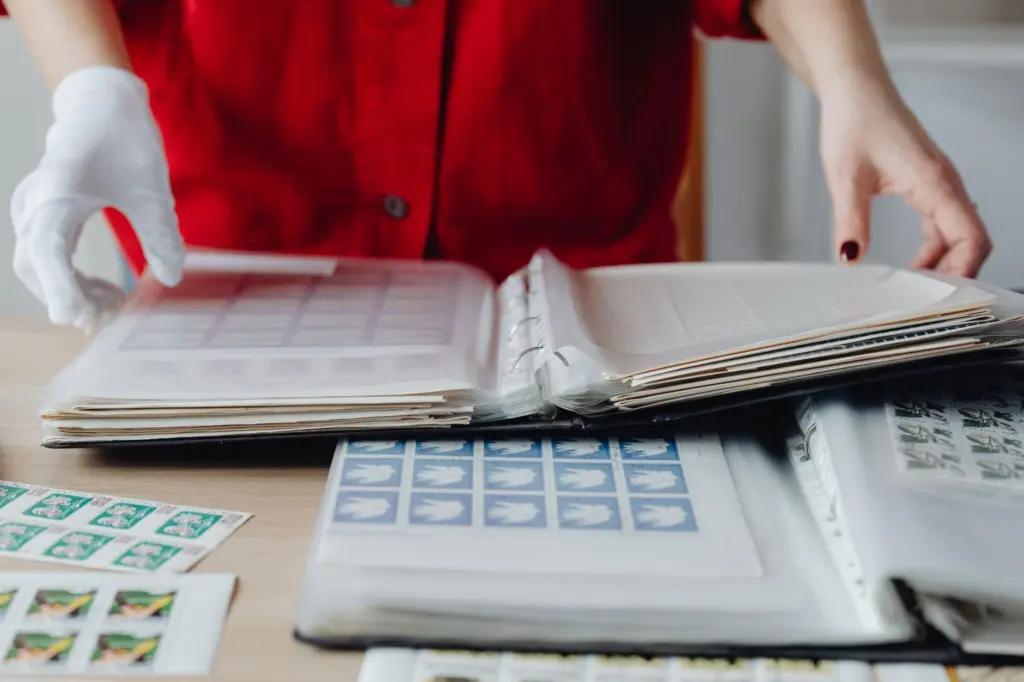
The reason a quiet pastime and a small gathering mattered is explained in the same library account. It refers to the physical limits set by his paralysis, due to a bout with polio earlier in his life. Hobbies and a regular indoor gathering suited a president whose range of movement was restricted. Taken together, the evening cocktail hour and stamp collecting sketch a routine built around small, informal company and absorbing, low-key pastimes.
The fair reading is modest. The documents confirm the hobby and the habit. They do not turn every anecdote about his evenings into established routine.
Separating documented habit from later anecdote
The firmest ground is the library’s own description, kept at the Franklin D. Roosevelt Presidential Library in Hyde Park, New York. It supplies the timing before dinner, the attendance rule, the guest names and the drinks he favored. Treat those points as the baseline for any account of his evenings.
Memoirs add colour but are individual recollections. Samuel Rosenman recalled Roosevelt making such a cocktail in his 1952 book, Working with Roosevelt. Grace Tully’s 1949 memoir describes a summer drink of rum, orange juice and brown sugar. Both accounts are useful for atmosphere, but one person’s remembered recipe does not prove it was served at every gathering.
A simple test helps with any story about the president’s evenings. Ask whether it comes from the library’s archive, from a named staff member’s memoir, or from retelling with no source. Readers who enjoy this kind of source-checking can apply it to the history of the pledge of allegiance or to the question of who began the practice of scalping in america, where tradition and documented record also diverge.
Frequently asked questions
Was politics banned at the Children’s Hour?
No. Official business was meant to stay outside, but the library says discussing politics was not completely prohibited.
Did Eleanor Roosevelt take part?
Only occasionally. The library says she made an occasional appearance at the cocktail hour, while Missy LeHand acted as hostess.
Was the martini the only drink Roosevelt made?
No. The library calls the Martini perhaps his favorite and says he also enjoyed the Old Fashioned. Grace Tully’s memoir adds a summer drink of rum, orange juice and brown sugar.
Where can the primary account be found?
The Franklin D. Roosevelt Presidential Library in Hyde Park, New York, holds the archive behind the library’s own description of the gatherings.